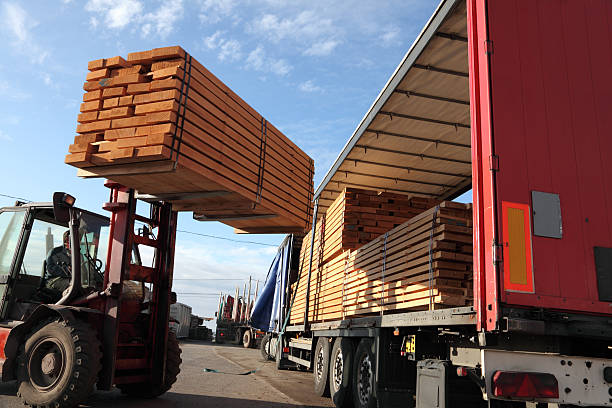
Look, if you’re running forklifts in a tough environment, you already know the drill. Punctures happen at the worst possible time, pressure checks eat up your day, and unexpected downtime costs you money. There’s a better way. At GP Forklifts, we’ve seen plenty of operations make the switch to solid rubber forklift tyres and never look back.
What sets solid rubber apart? Simple – it’s one solid piece of dense rubber. There’s no air chamber to lose pressure, nothing to puncture. Whether you’re working around construction debris, metal shavings, or any sharp materials scattered across your site, solid rubber handles it without flinching.
How Solid Rubber Tyres Are Built
The manufacturing process is straightforward but incredibly effective. Layers of rubber compound get compressed together under extreme pressure and heat. The result is a solid mass that bonds directly to a metal band or rim. Mixed into that rubber are additives that boost resistance to cuts, tears, and the constant wear your tyres face daily.
You’ll find two main types available. Press-on tyres feature a smooth metal band that slides directly onto your forklift wheel and locks in with a press fit. Solid pneumatic tyres – despite the confusing name – are actually solid rubber shaped to fit on standard pneumatic rims. That second option gives you all the benefits of solid rubber whilst keeping your existing wheel setup intact.
The density of solid rubber means exceptional load-bearing capacity. Where pneumatic tyres depend on air pressure to support weight, solid rubber distributes loads evenly across the entire tyre structure. Your forklift can operate at maximum capacity without any concern about tyre deformation or failure under heavy loads.
The Real Cost of Punctures
A single puncture can shut down your operation for hours. You’re waiting for repairs, paying emergency callout fees, and watching productivity disappear. South African businesses lose thousands of rands annually from tyre-related downtime that solid rubber would eliminate completely.
Here’s what happens with solid rubber on your machines. They roll over nails without consequence. Glass doesn’t phase them. Metal debris gets pushed aside rather than penetrating through. For scrap yards, recycling facilities, manufacturing plants, or construction sites where sharp objects are part of the landscape, this puncture-proof quality changes everything.
Beyond avoiding emergency repairs, you’re reducing overall tyre costs. A pneumatic tyre in harsh conditions might last six to twelve months if you’re lucky. Solid rubber tyres? Three to five years with proper use isn’t unusual. That translates to fewer purchases, reduced storage requirements, and significantly simplified inventory management.
GP Forklifts maintains stock of solid rubber tyres in various sizes and compounds. Small electric forklifts for indoor work, heavy-duty diesel machines for outdoor applications – we’ve got options that match your specific operational needs.
Stability Under Load
When you’re lifting heavy loads, especially to maximum height, stability becomes critical. Solid rubber tyres maintain consistent ground contact across their entire footprint. Weight gets distributed evenly, preventing the sagging or flexing that happens with under-inflated pneumatic tyres.
The centre of gravity on your forklift stays predictable too. Pneumatic tyres gradually lose air pressure, subtly changing how the machine handles in ways that can be dangerous. With solid rubber, the tyre height and diameter remain constant from installation day until they’re worn beyond safe limits. Your operators get consistent handling and control throughout the tyre’s entire service life.
Cornering and emergency stops benefit from this rigidity as well. Solid rubber doesn’t flex sideways under lateral loads the way pneumatic tyres do. That reduces tipping risk during tight turns with heavy loads and shortens braking distances because more braking force transfers directly to the ground instead of being absorbed by tyre flex.
Precision positioning – whether you’re placing pallets in tight racking systems or manoeuvring through congested warehouse aisles – becomes easier and safer with the predictable response solid rubber tyres provide.
Selecting the Right Compound
Here’s something many people don’t realise: solid rubber compounds vary significantly. Different formulations suit different applications, and choosing correctly impacts both performance and lifespan. Standard compounds handle general warehouse use with smooth concrete floors and moderate loads effectively. They offer a reasonable balance between durability, cost, and performance.
Outdoor operations or rough surfaces call for harder rubber compounds that resist wear better, though you might sacrifice some traction. Softer compounds grip smooth surfaces more effectively but wear faster under heavy loads or abrasive conditions. Your specific operational environment and priorities determine the right balance.
Specialised compounds exist for extreme conditions. Cut-resistant formulations incorporate reinforcing materials that protect against sharp objects beyond what normal solid rubber handles. Heat-resistant compounds maintain their properties in foundries or steel mills where standard rubber would soften or degrade. Cold-resistant compounds stay flexible in freezing temperatures where normal rubber becomes brittle and prone to cracking.
The GP Forklifts team assesses your operational environment to recommend the optimal compound. We look at floor surface conditions, typical load weights, operating temperature ranges, chemical or oil exposure, and expected usage hours. That ensures you get tyres that perform well and last as long as possible in your specific conditions.
Professional Installation Matters
Installing solid rubber forklift tyres requires specialised equipment and know-how. Press-on tyres need a hydraulic press capable of generating enough force to slide the tyre onto the wheel without damaging either component. Attempting this without proper equipment risks torn rubber, damaged wheels, or unsafe mounting that could fail during operation.
Solid pneumatic tyres involve different installation procedures using mechanical fasteners or bonding agents. The mounting process must ensure even seating around the entire rim circumference. Get this wrong and you create vibration that damages steering components whilst making operation uncomfortable for drivers.
Tyre sizing needs verification before installation as well. Solid rubber tyres must match your forklift’s specifications exactly – there’s no adjusting fitment with air pressure. An incorrectly sized tyre creates clearance problems with the forklift chassis, alters load capacity ratings, or causes handling issues that compromise safety.
GP Forklifts provides professional installation services guaranteeing correct fitment and safe operation. Our technicians bring the specialised equipment and training needed to mount solid rubber tyres properly. We verify all clearances and specifications before your forklift returns to service, eliminating risks from improper mounting whilst ensuring tyres perform as intended.
Maintenance Requirements
Whilst solid rubber tyres need less maintenance than pneumatic alternatives, they’re not completely maintenance-free. Regular inspections should check for excessive wear, cuts or gouges in the rubber, and signs of uneven wear patterns that might indicate alignment or load distribution problems. Establish an inspection schedule based on usage intensity and operating environment.
Wear becomes your primary monitoring point. The rubber gradually wears away through friction with ground surfaces. You need to monitor tread depth to ensure safe operation. Most solid rubber tyres include wear indicators showing when replacement is necessary. Operating tyres beyond their safe wear limit risks traction loss, reduced load capacity, and potential damage to your forklift.
Cleaning helps extend tyre life considerably. Chemicals, oils, and certain substances degrade rubber compounds faster than mechanical wear alone. Regular cleaning removes these contaminants before they penetrate deeply into the rubber. Hot water and mild detergent usually suffice, although specific compounds might require special cleaning procedures.
Expected longevity depends heavily on operating conditions. Indoor operations on smooth concrete with moderate loads might see five years or more from quality solid rubber tyres. Outdoor operations on rough terrain with heavy loads might need replacement every two to three years. Tracking actual tyre life in your specific conditions helps budget for replacements and optimise tyre selection over time.
Understanding Total Cost of Ownership
The initial purchase price of solid rubber forklift tyres exceeds pneumatic alternatives, sometimes substantially. That higher upfront cost causes hesitation, but it’s only one factor in total cost of ownership. Account for lifespan, maintenance costs, downtime reduction, and labour savings, and solid rubber tyres frequently prove more economical over their service life.
Consider what pneumatic tyres really cost. Regular pressure checks consume labour hours that add up quickly. Puncture repairs require both parts and technician time. Emergency tyre failures cause downtime costing hundreds or thousands of rands per hour depending on your operation. Solid rubber tyres eliminate these ongoing costs. Those savings accumulate throughout the tyre’s service life.
The calculation tilts even more favourably in harsh environments. Operations dealing with sharp debris, rough terrain, or heavy loads see pneumatic tyres fail frequently. Replacement and repair costs multiply rapidly. These same conditions have minimal impact on solid rubber tyre lifespan beyond normal wear, making the cost difference increasingly justified.
Productivity impacts deserve consideration as well. Every hour your forklift sits idle waiting for tyre repairs represents lost productivity and potentially missed deadlines. Solid rubber keeps equipment running consistently, maintaining workflow and preventing cascading delays that result from unexpected breakdowns.
Where Solid Rubber Excels
Some environments destroy other tyre types rapidly. Construction sites littered with nails, screws, and metal debris become manageable when forklifts roll on puncture-proof solid rubber. Recycling facilities processing metal, glass, or other sharp materials eliminate constant tyre failures. Scrap yards operate forklifts without worrying about punctures from the very materials being handled.
Indoor applications benefit differently but equally. Warehouses with occasional debris from damaged packaging or products find solid rubber tyres more reliable than pneumatic alternatives. Manufacturing facilities where forklifts traverse areas contaminated with metal shavings, plastic trim, or other by-products gain consistency and uptime. Food processing plants requiring regular washdowns appreciate solid rubber tyres that aren’t damaged by constant moisture exposure.
Temperature extremes present challenges for many tyre types. Appropriate solid rubber compounds handle both hot and cold conditions effectively. Foundries and steel mills operating in intense heat need heat-resistant compounds that won’t soften or degrade. Cold storage facilities and outdoor operations during South African winter require compounds that remain flexible when temperatures drop.
Chemical exposure demands careful compound selection. Standard rubber degrades rapidly when exposed to certain oils, solvents, or aggressive chemicals. Chemical-resistant solid rubber compounds are available for operations where such exposure is unavoidable. You’ll need to specify exposure risks when ordering tyres to ensure compatibility.
Comparing Your Options
Pneumatic forklift tyres offer excellent shock absorption and operator comfort. They’re popular for rough outdoor terrain where ride quality matters. Initial costs are lower and installation is easier. However, their susceptibility to punctures, pressure loss, and faster wear in harsh conditions often outweighs these advantages. The ongoing maintenance requirements and downtime risk make pneumatics less suitable for demanding applications.
Cushion tyres sit between pneumatic and solid rubber in both performance and cost. They consist of solid rubber but with a much smaller profile limiting use to smooth, flat surfaces. Cushion tyres work well for indoor warehouse operations on good concrete but lack the durability and versatility of full solid rubber tyres. They also offer less shock absorption than pneumatics and less load capacity than solid rubber.
Polyurethane tyres represent another alternative. They offer puncture-proof operation similar to solid rubber but with different wear characteristics. Polyurethane provides excellent wear resistance on smooth surfaces but can be damaged by sharp objects that solid rubber would deflect. These tyres cost more than solid rubber but might last longer in specific applications like clean warehouses with pristine floors.
Your choice balances upfront costs, expected lifespan, maintenance requirements, and operational demands. For most South African operations dealing with less-than-perfect conditions, solid rubber tyres provide the best overall value through their combination of durability, reliability, and low maintenance requirements.
GP Forklifts: Your Solid Rubber Tyre Partner
GP Forklifts has built a strong reputation across South Africa for reliable forklift solutions. Our solid rubber tyre selection includes options for virtually any forklift model and application. Small electric warehouse machines to heavy-duty diesel forklifts handling challenging outdoor work – we stock tyres from manufacturers known for quality and consistency.
Our experience spans diverse South African industries. We understand the specific challenges operations face. We’ve supplied tyres for mines dealing with sharp rock, manufacturing plants with metal debris, agricultural operations handling rough terrain, and countless warehouses requiring dependable indoor performance. This experience allows us to recommend tyres that’ll actually work in your specific environment rather than just selling whatever happens to be in stock.
Beyond supplying quality tyres, we provide installation expertise ensuring safe, proper fitment. Our technicians travel to your facility with specialised equipment required for professional solid rubber tyre installation. We verify specifications, check clearances, and confirm proper mounting before your forklift returns to work. This service approach eliminates risks and hassles of attempting installation yourself or working with inexperienced providers.
GP Forklifts stands behind products and services with responsive support when you need assistance. Whether evaluating tyre options, scheduling installation, or troubleshooting wear issues, our team provides expertise needed to keep your forklift fleet operating efficiently.
Moving Forward with Solid Rubber
Choosing solid rubber forklift tyres represents an investment in operational reliability and long-term cost savings. The higher initial price buys years of puncture-free operation, minimal maintenance, consistent performance, and the productivity that comes from equipment that works when you need it. For operations dealing with debris, rough terrain, heavy loads, or demanding schedules, solid rubber tyres aren’t just an option.
Your decision should consider both current needs and future plans. If your operation is growing or changing, solid rubber tyres offer versatility to handle evolving demands without requiring tyre changes every time your application shifts. The durability means your tyre investment continues paying dividends long after purchase, generating returns through reduced downtime and maintenance savings.
Contact GP Forklifts to discuss specific requirements and get recommendations tailored to your operation. We’ll assess your environment, understand priorities, and help select solid rubber tyres delivering the performance and longevity you need. Our goal isn’t just selling tyres. It’s ensuring forklift operations run smoothly, safely, and profitably day after day.
Frequently Asked Questions
How long do solid rubber forklift tyres typically last?
Lifespan ranges between two to five years depending on operating conditions. Indoor operations on smooth concrete with moderate loads can expect four to five years. Outdoor operations on rough terrain with heavy loads might see two to three years. Proper maintenance, appropriate load management, and selecting the right compound for your application all significantly impact tyre lifespan.
Can solid rubber tyres be repaired if damaged?
Minor surface damage like small cuts or gouges can sometimes be repaired by filling with rubber compounds. This depends on damage severity and location. Significant cuts, chunks missing from the tyre, or damage extending deep into the rubber structure typically require tyre replacement. Solid rubber tyres are far less prone to damage than pneumatic alternatives, so repairs are rarely needed when tyres are used appropriately.
Are solid rubber tyres suitable for all forklift models?
Most forklift models can be fitted with solid rubber tyres. Specific compatibility depends on your forklift’s design and intended application. Forklifts designed for rough outdoor terrain might require solid pneumatic style tyres that fit standard rims. Indoor forklifts often use press-on solid rubber tyres. GP Forklifts can assess your specific forklift model and recommend appropriate solid rubber tyre options that maintain safety and performance.
Do solid rubber tyres affect forklift operator comfort?
Solid rubber tyres provide less shock absorption than pneumatic tyres, which can result in a firmer ride on rough surfaces. Modern solid rubber compounds and forklift suspension systems have largely minimised this difference. For operations on relatively smooth surfaces, operators typically notice little difference in comfort. The trade-off for slightly reduced cushioning is the reliability and consistency solid rubber tyres provide.
What’s the difference between standard and specialised solid rubber compounds?
Standard solid rubber compounds suit general warehouse and light outdoor applications with moderate loads and typical conditions. Specialised compounds are formulated for specific challenges like extreme temperatures, aggressive chemicals, or environments with exceptionally sharp debris. Heat-resistant compounds maintain properties in hot environments. Cut-resistant compounds include extra reinforcement. Chemical-resistant compounds resist degradation from oils and solvents. Your operating environment determines whether specialised compounds are necessary.