You’re running a warehouse, factory, or distribution centre. You already know what downtime costs. What catches most managers off guard? Forklift tyres. They’re one of those things that don’t cross your mind until suddenly they’re a major problem. Got one forklift or twenty, getting smart about tyre prices makes a real difference to your operating costs.
What Influences Forklift Tyre Prices?
Forklift tyre prices vary quite a bit. It depends entirely on what you need. The type comes down to where your forklifts work and what they’re doing all day.
Pneumatic tyres are air-filled, like the tyres on your bakkie. They’ll cost you R800 to R3,500 per tyre. Size and brand affect the price. These are what you want for outdoor work, particularly on uneven ground. Construction sites, yards, anywhere the surface isn’t smooth.
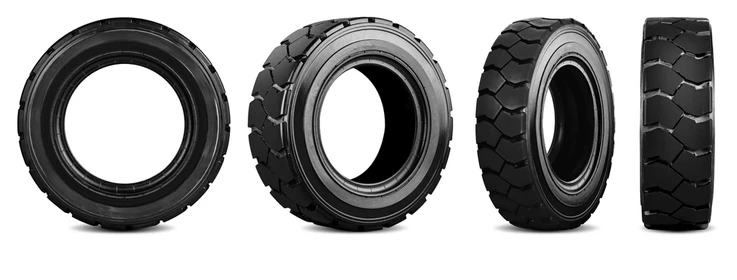
Solid rubber tyres (some call them cushion tyres) run R1,200 to R4,500 per tyre. They’re made for smooth indoor surfaces. Warehouse floors, that sort of thing. They make sense when punctures aren’t really a concern. Yes, they cost more upfront. But they last longer and you’re not constantly maintaining them like pneumatic ones.
Polyurethane tyres sit at the premium end. Start around R2,000, go up to R6,000 per tyre. You’ll mostly see these on electric forklifts in spotless environments. Food processing plants, pharmaceutical warehouses. The smooth ride and floor protection justify the extra spend in those situations.
Load capacity plays into pricing too. A forklift shifting 1.5 tonnes needs completely different tyres to one regularly lifting 5 tonnes or more. Heavier-duty tyres contain more material, go through tougher manufacturing. Naturally, they cost more.
Matching Tyres to Your Operating Conditions
Your working environment determines which tyres make financial sense. Operating on concrete warehouse floors? Cushion tyres are hard to beat. They won’t puncture. Barely any maintenance. Stable when moving loads through tight spaces. GP Forklifts stocks a range of cushion tyres for most forklift models and load requirements.
Outdoor operations present different challenges. Gravel, uneven surfaces, floors covered in debris demand pneumatic tyres. They absorb shocks, handle rough terrain. Sure, more maintenance. They can puncture. But there’s no way around it for outdoor work. The comfort factor matters too. Your operators spend entire shifts on forklifts crossing rough ground.
Mixed environments create the toughest decisions. Some operations have forklifts moving between indoor warehouses and outdoor loading bays. You need to assess which environment dominates. Spend 70% of your time indoors? Cushion tyres might work despite occasional outdoor use. But if outdoor work is frequent and demanding, pneumatic tyres become necessary regardless of indoor operations.
How Long Do Forklift Tyres Actually Last?
Tyre lifespan directly affects total cost of ownership. Cushion tyres typically deliver 2,000 to 4,000 hours of operation before needing replacement. Single-shift operation? That’s roughly two to four years. Aggressive driving cuts this significantly. So do frequent turns on hard surfaces and overloading.
Pneumatic tyres usually last 1,500 to 3,000 hours. The variation depends on operating conditions and maintenance standards. Regular pressure checks extend their working life. So do prompt puncture repairs. Neglect these basics? You’re looking at premature wear and unexpected replacement costs.
Polyurethane tyres can reach 4,000 to 6,000 hours under ideal conditions. The investment makes sense if you maintain clean floors and follow proper loading procedures. These tyres excel where floor protection matters as much as durability.
Your operators’ driving habits influence tyre life more than most managers realise. Hard braking wears tyres faster than necessary. Sharp turns too. Excessive speed. Training your team on proper forklift operation pays dividends through extended tyre life and reduced replacement frequency.
Getting Accurate Quotes for Your Fleet
When requesting quotes, provide specific information. You’ll need the make and model of each forklift. Current tyre size. Details about your operating environment. Photos of your current tyres help, particularly the sidewall markings. This helps suppliers provide accurate pricing.
Don’t just compare price tags. Ask about delivery timeframes. Fitting services. Warranty coverage. Some suppliers include fitting in their quotes. Others charge separately. Understanding the complete cost picture prevents surprises when the invoice arrives.
Volume discounts become available when replacing tyres across multiple forklifts. Managing a fleet? Consider scheduling replacements strategically rather than waiting for emergency situations. Planned purchases typically secure better pricing than urgent replacements needed immediately.
GP Forklifts provides transparent quotes that break down costs clearly. You know exactly what you’re paying for. No hidden charges appearing later. This helps you budget accurately and plan maintenance schedules effectively.
Balancing Cost Against Performance
Choosing the cheapest tyres might seem like smart budgeting. It often costs more over time. Budget tyres wear faster. More downtime. More frequent replacements. Initial savings disappear when you’re replacing cheap tyres twice as often as quality alternatives.
Quality tyres from reputable manufacturers deliver consistent performance throughout their lifespan. They maintain proper load distribution. Better traction. Resist premature wear. These factors reduce strain on your forklift’s transmission and drivetrain, potentially extending the life of these expensive components.
Consider your operational intensity. Forklifts working single shifts handling light to moderate loads? Mid-range tyres often provide excellent value. Operations running multiple shifts with heavy loads benefit from investing in premium tyres that withstand demanding conditions.
The cost of downtime must factor into calculations. A forklift sits idle waiting for tyre replacement, you’re losing productive hours. Higher-quality tyres that last longer and fail less frequently reduce these costly interruptions. High-utilisation operations? This reliability justifies paying more upfront.
Why Companies Choose GP Forklifts for Tyre Solutions
Experience matters when making purchasing decisions that affect daily operations. GP Forklifts brings years of industry knowledge. They help you select tyres matching your specific requirements. Not pushing the most expensive option. Their team assesses your operation and recommends appropriate solutions.
Stock availability prevents delays when you need replacements. Tyres readily available means your forklifts return to work quickly. Not sitting idle for days or weeks waiting for parts. GP Forklifts’ service capabilities include tyre fitting. You don’t coordinate between suppliers and fitters.
Ongoing support extends beyond the initial purchase. Your operations change or expand? You might need different tyre solutions. Established relationships with reliable suppliers make these transitions smoother and more cost-effective.
Geographic coverage across South Africa ensures consistent service. Doesn’t matter where your operations are based. Gauteng, Western Cape, KwaZulu-Natal. Access to quality tyres and professional fitting services remains available.
Extending Tyre Life Through Proper Maintenance
Regular inspections catch problems before they become expensive. Check for uneven wear patterns. They indicate alignment issues or improper inflation. Addressing underlying problems extends tyre life and prevents damage to your forklifts.
Keeping tyres properly inflated matters more than many operators realise. Under-inflated pneumatic tyres wear faster on the edges. Increase fuel consumption on combustion forklifts. Over-inflation causes centre wear and reduces traction. Monthly pressure checks take minutes. Add months to tyre life.
Clean working environments reduce unnecessary wear. Debris on warehouse floors cuts into tyres. Spilled chemicals can degrade rubber compounds. Maintaining clean, clear operating surfaces protects your investment in quality tyres.
Rotation schedules help distribute wear evenly across your fleet. Some companies rotate tyres between forklifts handling different workloads. Evens out replacement schedules. Reduces emergency purchases. This proactive approach requires planning but delivers measurable cost savings.
Making Smart Replacement Decisions
Knowing when to replace tyres prevents safety hazards and operational problems. Cushion tyres need replacement when they reach the wear line. Typically when worn down to about 40% of original thickness. Operating beyond this point risks wheel damage and reduces stability when handling loads.
Pneumatic tyres showing sidewall damage, deep cuts, or persistent air loss need immediate replacement. Don’t attempt to squeeze extra weeks from damaged tyres. Risk of failure during operation isn’t worth modest savings.
Consider replacing tyres across an axle pair simultaneously. Mixed tyre conditions on a single axle affect handling and stability. When one tyre reaches replacement point, the other probably isn’t far behind. Replacing both prevents a return visit in a few weeks.
Planning replacements during scheduled maintenance windows minimises disruption. You know tyres are approaching their service life? Coordinate replacement with other routine maintenance rather than waiting for failure. This approach gives you control over timing rather than reacting to emergencies.
Understanding Total Cost of Ownership
Looking beyond the purchase price reveals the true cost of forklift tyres. Factor in fitting costs, potential downtime during replacement, and how long each tyre type lasts in your specific conditions. A tyre costing R2,000 that lasts 3,000 hours costs 67 cents per hour. A cheaper R1,500 tyre lasting only 1,800 hours actually costs 83 cents per hour. Makes the more expensive option better value.
Maintenance requirements add to ownership costs. Pneumatic tyres need regular pressure checks and occasional repairs. Cushion tyres require virtually no maintenance beyond cleaning. Polyurethane tyres sit somewhere between these extremes. Calculate the labour time and resources needed for maintenance across each option.
Impact on forklift performance affects costs indirectly. Poor-quality tyres increase wear on transmissions, axles, and bearings. Might reduce fuel efficiency on combustion forklifts or battery life on electric models. These secondary costs often exceed the tyre savings you initially achieved.
Disposal costs matter too, though relatively minor. Some suppliers include disposal of old tyres in their service package. Others charge separately. Confirm these details when comparing quotes to avoid unexpected charges.
Seasonal Considerations for South African Operations
South African weather patterns affect tyre performance differently than countries with extreme winters. Summer heat in regions like Gauteng and Limpopo can accelerate rubber degradation in outdoor operations. Tyres exposed to constant sun and high temperatures may need replacement sooner than manufacturer estimates suggest.
Rainy seasons create different challenges. Wet surfaces reduce traction, particularly with worn tyres. Operations in regions with distinct wet and dry seasons might consider adjusting inspection schedules. Account for increased slip risks during rainy months.
Indoor operations face fewer seasonal variations. Temperature swings in un-climate-controlled warehouses can still affect tyre performance. Extreme heat buildup in metal sheds during summer can soften rubber compounds temporarily. Cold winter mornings might reduce flexibility initially.
Common Mistakes That Increase Tyre Costs
Delaying replacement beyond recommended wear limits damages wheels and increases overall costs. Few hundred rands saved by extending tyre life beyond reasonable limits often results in wheel damage costing thousands to repair. This false economy affects operations across all industries.
Mismatching tyre types on the same forklift creates handling problems and accelerates wear. Replace one worn tyre with a different type than the remaining three? The forklift’s balance and performance suffer. Always replace tyres with identical or manufacturer-approved alternatives.
Ignoring load capacity limits wears tyres prematurely and creates safety hazards. Your forklifts regularly handle loads exceeding their rated capacity? You’ll replace tyres more frequently regardless of quality. Respecting capacity limits protects both tyres and expensive forklift components.
Failing to investigate wear patterns misses underlying problems. Your tyres consistently wear unevenly? The forklifts probably need alignment or other mechanical attention. Simply replacing tyres without addressing root causes wastes money and continues damaging your equipment.
Building Relationships With Reliable Suppliers
Consistent suppliers who understand your operation provide better service over time. They know your fleet. Remember your preferences. Can proactively suggest improvements based on your historical patterns. This familiarity saves time during ordering and reduces mistakes.
Reliable suppliers maintain adequate stock levels. Prevents delays when you need tyres urgently. They understand forklift downtime costs money. Prioritise keeping commonly needed sizes available. This reliability proves valuable when unexpected failures occur.
Technical expertise helps you make better decisions. Suppliers with hands-on experience understand how different tyres perform in various conditions. They can suggest alternatives when your usual choice is unavailable. Recommend better options as new products become available.
Flexible payment terms and account facilities simplify administration for fleet managers. Rather than processing individual purchase orders for every tyre replacement, established accounts streamline procurement. Maintain proper tracking for budgeting purposes.
Frequently Asked Questions
How much should I expect to pay for forklift tyres in South Africa?
Prices range from R800 to R6,000 per tyre. Depends on type, size, and quality. Pneumatic tyres typically cost R800 to R3,500. Cushion tyres run R1,200 to R4,500. Polyurethane options start around R2,000. Your specific price depends on your forklift model, load capacity, and operating environment. Request quotes from GP Forklifts with your exact specifications for accurate pricing.
Can I replace just one damaged tyre instead of all four?
You can replace a single damaged tyre. Replacing both tyres on the same axle is better practice. Mismatched wear levels between tyres on one axle affects handling and stability. Three tyres show significant wear and you’re replacing one? Consider whether the others will need replacement soon. Planning replacements strategically prevents multiple service calls and reduces overall costs.
How often do forklift tyres need replacing in typical warehouse operations?
Cushion tyres in standard warehouse environments typically last 2,000 to 4,000 operating hours. Translates to two to four years in single-shift operations. Pneumatic tyres generally provide 1,500 to 3,000 hours of service. Your actual replacement frequency depends on operating conditions, load weights, operator behaviour, and maintenance practices. Regular inspections help you identify wear patterns and plan replacements before failures occur.
Do more expensive tyres really last longer?
Quality tyres from reputable manufacturers typically outlast budget alternatives by 30% to 50% in identical conditions. They maintain performance characteristics throughout their lifespan rather than degrading gradually. Calculating cost per operating hour? Premium tyres often prove more economical than cheaper options. The right tyre choice depends on matching quality level to your operational demands. Not simply buying the most expensive option available.
What information do I need to get an accurate tyre quote?
Provide your forklift make and model. Current tyre size (found on the sidewall). Operating environment details (indoor/outdoor, surface type). Typical load weights. Photos of your existing tyres including sidewall markings help suppliers provide precise quotes. Replacing multiple tyres across a fleet? Specify quantities and whether you need fitting services included. This information allows GP Forklifts to provide accurate pricing and appropriate recommendations.