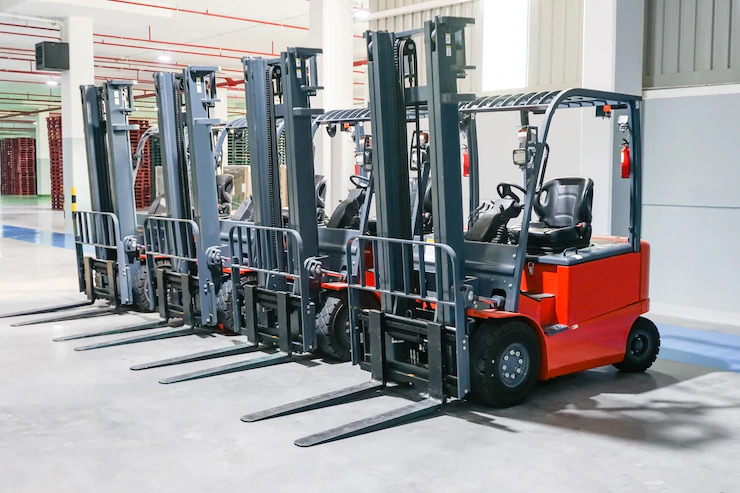
If your business runs Linde forklifts, you already know how reliable those machines are. What you may be less certain about is where to get the correct tyres in Johannesburg without wasting time chasing suppliers who stock the wrong size or the wrong compound for your application. That is exactly what GP Forklifts solves. As a Gauteng-based supplier with hands-on experience across warehousing, manufacturing, and logistics operations, GP Forklifts matches your specific Linde model to the tyre it actually needs — not just the closest option on a shelf.
This post walks you through what sets Linde forklift tyres apart, why tyre selection matters more than most operators realise, and how to work with a supplier in Johannesburg who understands the difference between a tyre that fits and a tyre that performs.
Why Linde Forklifts Require Specific Tyre Considerations
Linde forklifts are engineered differently from most other brands. Their hydrostatic drive system and low centre of gravity mean the machine responds to tyre condition and compound in ways that a conventional counterbalance forklift does not. A tyre that is slightly underspecified may work well enough on a cheaper machine but will cause premature wear, increased heat build-up, and reduced braking response on a Linde.
Beyond the mechanical specifics, Linde models span a broad range — from the E10 to E80 electric series, the H-series counterbalance trucks, and the reach and order-picker range. Each model has different load ratings, wheel configurations, and floor-contact requirements. GP Forklifts stocks and sources tyres for this full range, which means you are not limited to whatever a general tyre shop happens to have available.
The Three Tyre Types You Will Encounter for Linde Forklifts
Solid Pneumatic Tyres
These are the most common choice for Linde counterbalance and reach trucks used indoors on smooth or semi-smooth concrete. A solid pneumatic tyre gives you no puncture risk and a long service life, which is important when your forklift runs multiple shifts. The ride quality is firmer than an air-filled tyre, but modern solid compounds have improved considerably in terms of cushioning. If your Linde operates in a warehouse, cold store, or factory with clean flooring, a solid pneumatic is almost always the right call.
Cushion Tyres
Cushion tyres are bonded directly to a metal band and are pressed onto the wheel rim. They suit indoor Linde models with smaller rims and are ideal when ground clearance is limited. Because there is no air chamber, you get consistent performance across the shift without worrying about slow leaks or pressure checks. This tyre type is particularly common on the electric Linde pallet movers and lighter electric counterbalance trucks found in distribution centres across Johannesburg.
Pneumatic Air Tyres
Air-filled pneumatic tyres are reserved for outdoor applications — Linde rough-terrain forklifts or machines that move between yard areas and loading docks where the surface changes. They absorb more shock and handle uneven ground better than solid alternatives. The trade-off is maintenance: you need to monitor pressure and you carry puncture risk. For a Johannesburg operation where your Linde splits time between a yard and a warehouse, GP Forklifts can help you decide whether solid or air-fill suits your actual usage pattern rather than just the spec sheet.
What Tyre Compound Actually Means for Your Linde
Compound refers to the rubber formulation used in the tyre. Standard black compound works for most general warehouse applications, but it is not the only option. Traction compound provides better grip on wet or slightly oily surfaces — relevant if your Linde operates in a food production facility or anywhere with periodic wash-downs. Non-marking compound is white or grey and is mandatory in any facility where black rubber residue on the floor creates a hygiene or quality control problem, such as pharmaceutical storage, food-grade warehousing, or printing operations.
If you are unsure which compound your facility requires, describe your floor surface, shift pattern, and load weights to GP Forklifts. The right compound extends tyre life noticeably and reduces heat transfer into the wheel hub — which matters for a Linde’s bearing and drive system longevity.
How to Read a Linde Forklift Tyre Size
Tyre sizes on Linde forklifts follow a standard format that looks something like 6.50-10 or 18×7-8. The first number is the tyre width in inches. The second number, after the hyphen or dash, is the rim diameter. Some sizes include a load index and speed rating suffix. If you are replacing a tyre, the safest starting point is the number moulded into the sidewall of the existing tyre, combined with the wheel rim size stamped on the rim itself.
If the existing tyre is worn to the point where the sidewall markings are no longer legible, your Linde’s serial number and model plate will allow GP Forklifts to cross-reference the correct original equipment specification. Do not estimate tyre size by eye — even a small mismatch affects the machine’s rated load capacity and can void compliance with SANS forklift safety standards.
Tyre Wear Patterns That Tell You Something Is Wrong
On a Linde forklift, the way a tyre wears gives you direct feedback about the machine’s alignment, loading habits, and operating conditions. Centre wear — where the middle of the tyre wears faster than the edges — usually points to consistent overloading or a tyre compound that is too hard for the floor surface. Edge wear on one side indicates a wheel alignment issue or a driver consistently cornering at speed under load. Flat spotting occurs when the forklift sits stationary for extended periods with full load, which is common on machines that are parked loaded overnight.
None of these wear patterns are purely a tyre problem. They are signals. Addressing the tyre without addressing the operating condition that caused the wear means you will be back to the supplier sooner than necessary. GP Forklifts will flag these patterns when fitting new tyres and can advise on whether an adjustment to compound hardness, tyre type, or operating procedure would reduce your replacement cycle.
The Pressing Process and Why It Matters
Fitting solid and cushion tyres to a forklift rim requires a hydraulic press. This is not a job for improvised tools or manual force. Incorrect pressing can leave the tyre seated unevenly on the rim, which creates vibration, uneven wear, and in severe cases can cause the tyre to unseat under load — a serious safety risk. GP Forklifts uses a purpose-built tyre press and follows the manufacturer’s seating specifications for each Linde rim configuration. This step is as important as the tyre selection itself, and it is a step that separates a proper forklift tyre fitment from a rushed job.
Johannesburg Conditions That Affect Linde Tyre Choice
Johannesburg’s altitude and climate create conditions that differ from coastal operations. The dry Highveld air means concrete warehouse floors tend to hold less ambient moisture, which reduces natural grip slightly compared to the same floor in Durban or Cape Town. Operations in Gauteng’s industrial zones — Alrode, Germiston, Boksburg, Midrand, and the greater East Rand — often run older warehouse facilities with expansion joints and uneven flooring that places additional stress on tyres.
Temperature swings between Johannesburg’s cold winter mornings and hot summer afternoons also affect solid tyre compound performance. A compound that runs well in summer may harden slightly in winter, changing the machine’s braking distance and floor contact patch. For operations running day and night shifts year-round, this is worth factoring into your tyre specification discussion.
When to Replace Your Linde Forklift Tyres
Solid forklift tyres have a wear indicator — a small groove or line moulded into the rubber at a set depth. Once wear reaches that line, the tyre needs replacing. Continuing past the wear indicator reduces the tyre’s load-bearing capacity and increases the risk of tyre failure under load. For cushion tyres bonded to a rim band, the replacement trigger is usually when the rubber reaches within a few millimetres of the band edge.
For most multi-shift Linde operations in Johannesburg, you can expect solid pneumatic tyres to last between 1 500 and 3 000 operating hours depending on load, surface, and compound. Tracking this against your service records gives you a replacement cycle you can budget for rather than react to. GP Forklifts can help you set up a basic tyre inspection schedule as part of your planned maintenance routine.
Why Operations Choose GP Forklifts for Linde Tyre Supply
There are general tyre shops, and there are forklift tyre suppliers. The difference matters when you are dealing with a Linde machine that is central to your operation. GP Forklifts focuses specifically on forklift tyres and associated services — not car tyres, not truck tyres. That focus means the advice you receive is grounded in actual forklift application knowledge rather than generalised tyre sales.
Clients across Gauteng — from single-machine operators to multi-site logistics businesses — return to GP Forklifts because the right tyre is quoted and supplied the first time, fitment is done correctly with proper equipment, and the turnaround does not leave a machine sitting idle for days waiting on an order. For a Linde forklift that carries the throughput of your warehouse or yard, that reliability has direct operational value.
The Bottom Line on Linde Forklift Tyres in Johannesburg
Linde forklifts deserve tyre specifications that match their engineering. Guessing on compound, accepting the wrong size, or having tyres pressed on incorrectly all carry costs — in shortened tyre life, increased machine wear, and the risk of a safety event. If you are sourcing Linde forklift tyres in Johannesburg, GP Forklifts is the supplier to call. Bring your Linde’s model number and current tyre markings, and you will leave with a tyre specification that actually suits your operation.
Frequently Asked Questions
1. What tyre type is standard for most Linde electric counterbalance forklifts?
Most Linde electric counterbalance trucks in the E-series come standard with solid pneumatic or cushion tyres depending on the model and rim configuration. Solid pneumatics are the most common choice for warehouse use. GP Forklifts can confirm the correct type using your machine’s model and serial number.
2. Can I use non-marking tyres on all Linde models?
Yes, non-marking compound is available across most standard tyre sizes used by Linde forklifts. It does carry a modest cost premium over standard black compound, but for food-grade, pharmaceutical, or printing operations it is a firm requirement. Wear rates are broadly similar to standard compound on clean, smooth surfaces.
3. How do I know when my Linde’s solid tyres need replacing?
Look for the wear indicator groove moulded into the side of the tyre. When the tyre surface reaches that groove, replacement is due. You may also notice increased vibration, visible cracking on the tyre surface, or uneven wear patterns — any of these are reasons to have the tyres inspected. Do not wait until the tyre is visibly failing under load.
4. Does GP Forklifts fit tyres on-site or only at their premises?
GP Forklifts operates from Gauteng. Contact them directly to confirm the fitment options available for your location and fleet size. For large fleets or time-sensitive requirements, it is worth discussing your situation with them upfront.
5. I have multiple Linde models with different tyre sizes. Can GP Forklifts supply for a mixed fleet?
Yes. GP Forklifts handles mixed-fleet supply regularly. Providing the tyre size markings from each machine — or the model and serial numbers if the markings are worn — gives them what they need to quote your full fleet in a single conversation.
Ready to sort out your Linde forklift tyres? Visit gpforklifts.co.za or get in touch with GP Forklifts directly for a quote tailored to your fleet