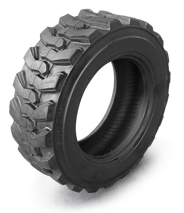
A flat tyre on a Yale forklift doesn’t just mean a repair call. It means a machine sitting idle, a shift disrupted, and a cost that usually runs well beyond the price of the tyre itself. Most operators understand this — and yet tyre replacement is still treated reactively at a lot of Johannesburg sites. Wait for the visible wear line, or worse, wait for something to go wrong.
There’s a better way to handle it. Understanding what your Yale actually needs, why Johannesburg’s conditions wear tyres the way they do, and where to source a replacement without the usual delays — that’s what this guide covers. At GP Forklifts, we deal with Yale tyre replacements across Gauteng every week, and the questions we get asked are usually the same ones. So let’s work through them properly.
The Tyre Types Used on Yale Forklifts — and Why It Matters Which One You Have
Yale manufactures a broad range of machines, and what works on a GP35 counterbalance has no business going anywhere near a reach truck or an order picker. Getting the category right is the starting point.
Solid Pneumatic Tyres
Most Yale counterbalance machines running in Johannesburg warehouses, distribution centres, and loading docks are fitted with solid pneumatics. No air inside, no puncture risk — which is why they’re the default choice anywhere floor conditions are managed. In Boksburg, Germiston, Jet Park, and Alrode, where warehouses tend to run on sealed concrete or epoxy floors, solid pneumatics are the right call. They last well, they’re predictable, and you’re not dealing with inflation checks or slow leaks.
Air-Filled Pneumatic Tyres
Step outside onto rough ground and the picture changes. Construction sites, timber yards, agricultural operations on the Highveld periphery — these environments are hard on a forklift and harder on solid rubber. Air-filled pneumatics absorb surface variation that solid tyres transmit straight into the chassis, which matters both for operator fatigue and for the long-term health of the mast and drive axle.
The obvious trade-off is puncture risk. Metal debris, sharp aggregate, construction waste — any of that can take an air-filled tyre out of service fast. If your site has that kind of contamination on the floor, solid pneumatics are worth the rougher ride.
Polyurethane Tyres
Yale reach trucks and electric order pickers use press-on polyurethane tyres — a completely different category. They’re designed for smooth indoor floors and very low rolling resistance. That last point matters more than it sounds: on a multi-shift electric machine, tyre rolling resistance has a direct effect on battery consumption and, by extension, how often you’re cycling that battery. Keep the polyurethane tyres in good shape and you’re also keeping your energy costs in line.
How to Tell When Your Yale Tyres Actually Need Replacing
The Highveld does things to rubber that operators from milder climates sometimes don’t account for. Summer heat accelerates compound degradation. The UV intensity in Johannesburg causes oxidation and surface cracking even on machines that aren’t under constant load. Cold, dry winters make rubber less pliable — which increases chunking risk on abrasive surfaces. None of this is catastrophic on its own, but it means you can’t simply use an hourly replacement schedule and assume it applies equally across sites and seasons.
Here’s what you’re actually looking for:
- The wear indicator — a flat section moulded into the tread face — has become visible across the full tyre width. Once you’re seeing that, the tyre is at its limit. Some operators push past it; that’s a liability decision, not a technical one.
- Chunking: irregular pieces of rubber breaking away from the tyre body. This isn’t just surface wear. It means the compound has degraded internally and the tyre can no longer be trusted under rated load.
- The machine pulls to one side consistently. Uneven wear across the front axle will do this. It also adds stress to the axle bearings and steering circuit, so don’t leave it — the secondary repair costs are usually worse than the tyre replacement.
- Cracking or separation at the bead — where the tyre meets the rim. Take the machine out of service immediately. This isn’t a watch-and-wait situation.
- Operators reporting increased vibration or heavier steering than usual. Both can indicate internal tyre deterioration that isn’t yet obvious from the outside.
If you’re working through a tyre assessment on a larger Yale fleet and you’re not sure where each machine sits, GP Forklifts can carry out on-site inspections across Johannesburg and the broader Gauteng area.
What Johannesburg’s Conditions Actually Do to Yale Tyres
A Yale running a Midrand cold store and a Yale working steel in Benoni are not dealing with the same tyre wear. That’s not an abstract point — it affects which compound you should be running, how often you’re replacing, and what the failure mode looks like when things go wrong.
Floor surface is the big one. Sealed epoxy is gentle on rubber. Rough concrete, steel plate, and aggregate hardstanding will cut tyre life significantly. If your floor has raised joints, drainage channels, or kerbs that forklifts are running over regularly, sidewall reinforcement becomes relevant.
Load weight is a separate consideration. Yale forklifts carry rated lift capacities, but tyre load ratings operate independently of that. Running a machine near its rated capacity consistently, on tyres sized for lighter duty, produces flat spots and heat build-up — particularly on multi-shift operations where the machine doesn’t get enough cooling time between cycles.
Shift patterns matter too. A Yale running three shifts non-stop needs a harder rubber compound with better heat tolerance. A single-shift warehouse machine can run a softer compound, which gives you better traction, less floor marking, and a quieter operating environment. There’s no universal answer — it depends on how your operation actually runs.
Chemical exposure is something that gets overlooked. Certain oils, solvents, and industrial cleaning agents degrade tyre rubber. If your Yale is working in a pharmaceutical, chemical, or food-processing environment, you need to confirm chemical resistance for whatever compound is being fitted. Not all tyres are rated for chemical contact.
And then there’s outdoor exposure. Tyres specified for indoor use will age prematurely in an outdoor yard — Johannesburg’s summer sun is intense, and UV oxidation causes cracking that makes the tyre unsafe well before the wear line is reached.
At GP Forklifts, we ask about site conditions before recommending a replacement. We’re not working from a generic catalogue — we’re working from what your operation actually looks like.
Confirming the Right Tyre Size Before You Order
Yale forklifts use a wide range of tyre sizes across their model range. The size is moulded into the sidewall of the existing tyre and follows a three-number format for solid pneumatics — 28×9-15, for example. That reads as: 28-inch outer diameter, 9-inch tyre width, 15-inch rim diameter. Get the rim diameter wrong and the tyre simply won’t fit. Get the width wrong and you’ll have a fitment that creates clearance problems inside the chassis.
Before ordering, check three things on the physical tyre — not the parts book, which may reflect a different configuration than what’s actually fitted:
- The tyre size from the sidewall of the tyre currently on the machine.
- Whether the rim is a standard split rim or a press-on band. Press-on solid tyres go on with a hydraulic press. If someone quotes you a price for press-on tyres but doesn’t mention press equipment, ask the question.
- Your machine’s rated capacity and whether you’re running it at or near that rating regularly. This affects the required load index on the replacement tyre.
Common Yale counterbalance models in Johannesburg include the GP and GLP series (LPG and diesel) and the ERP series (electric). Reach trucks — the MR16, MR20, and similar — use press-on polyurethane in a smaller diameter range. If you’ve got the machine serial number, bring it when you contact GP Forklifts and we can cross-reference the correct specification directly.
Why Johannesburg Operators Use GP Forklifts for Yale Tyre Replacement
There are tyre suppliers in Gauteng. There are also forklift tyre suppliers — and the distinction is worth making. Yale forklift tyres aren’t car tyres or truck tyres with the same load ratings swapped around. The load indices, compound specifications, and fitment requirements are different, and getting that wrong has real consequences for warranty coverage, insurance liability, and operator safety.
Clients across Johannesburg, Ekurhuleni, Tshwane, and the rest of Gauteng come to GP Forklifts for a few consistent reasons.
Stock availability is the first one. We carry the most common Yale tyre sizes, which means same-day supply and fitment is possible for most Johannesburg operations. Waiting three days for a tyre delivery while your machine sits in the corner is not a realistic option for most businesses.
Fitment quality is the second. Press-on solid tyres fitted without proper hydraulic equipment will separate from the rim under load — a situation that creates serious risk for operators, bystanders, and the load. We use the correct press tooling. Every time.
Compound verification matters too. We work with reputable manufacturers whose compound hardness and load ratings are documented and verifiable. Unbranded imports at reduced prices might look attractive until you’re dealing with premature wear, a failed inspection, or a machine that’s off the floor earlier than expected.
And for fleet operators, we offer on-site tyre condition assessments — scheduled visits where we inspect the fleet, flag what needs attention, and plan replacements before failures happen. The cost of a planned tyre replacement is almost always lower than the cost of an emergency one. If you’re managing a Yale fleet, that’s worth building into your maintenance schedule. Get in touch with GP Forklifts to set that up.
What Actually Happens During a Professional Tyre Fitment
If you’ve only ever watched tyres changed on a car or truck, the forklift process looks different enough that it’s worth explaining — particularly for press-on solid tyres, which is the most common type on Yale electrics.
A press-on solid tyre is mounted on a steel band. The old tyre gets pressed off hydraulically, the band is cleaned and inspected, and the new tyre is pressed on until it seats correctly. There’s a specific engagement depth — if it’s under-seated, the tyre will shift or detach under load. This is not a job for an angle grinder and a hammer, regardless of what you might have seen on YouTube.
Split-rim pneumatic tyres are a different process. The rim gets disassembled before the tyre can be changed. That sounds straightforward, but split rims under pressure have caused serious injuries when handled without the right procedure. Deflation, disassembly, reassembly, and inflation to the specified pressure all follow a defined sequence for a reason.
After any fitment at GP Forklifts, the tyre is checked for correct seating before the machine goes back into service. Whether that’s in our workshop or on your site, the post-installation check is part of the job — not an optional extra.
Common Questions About Yale Forklift Tyres in Johannesburg
How often should Yale forklift tyres be replaced?
There’s no fixed interval because the answer depends on shift hours, load weight, floor conditions, and rubber compound. On a standard single-shift operation with a sealed concrete floor, solid pneumatic tyres typically cover 2,000 to 3,000 operating hours before the wear line appears. High-intensity multi-shift operations may see that drop below 1,500 hours. Monthly visual inspections are a better approach than calendar-based scheduling — replace when you see the wear indicator, or earlier if chunking or cracking appears.
Do I have to use Yale OEM tyres, or will aftermarket tyres work?
Yale doesn’t manufacture its own tyres — OEM tyres are sourced from tyre manufacturers to Yale’s specification. Aftermarket tyres of the correct size and load rating from verified manufacturers are acceptable replacements. What matters is that the size, load index, and compound hardness match the application. Unbranded imports with no documented compound specification are a risk not worth taking on a load-handling machine. GP Forklifts only supplies from manufacturers whose specifications we can verify.
My Yale is pulling to one side. Is that a tyre problem or something in the steering?
Start by checking tyre wear across the front axle. If one tyre is significantly more worn than the other, that’s the likely cause — replace both and the pull usually resolves. If tyre condition is even and the machine still tracks off, the issue is more likely in the steering circuit or axle bearings. GP Forklifts handles both tyre services and mechanical repairs, so we can look at both sides of the problem rather than sending you somewhere else for the second diagnosis.
Can GP Forklifts fit tyres at my site in Johannesburg?
Yes. For fleet operators or businesses where taking a machine off-site isn’t practical, we carry out on-site tyre fitment across Johannesburg and Ekurhuleni. We bring the hydraulic press equipment for press-on solid tyres and complete the fitment at your premises. To schedule a visit, contact us through gpforklifts.co.za.
What’s the difference between standard, soft, and super-elastic solid tyre compounds?
Compound hardness is a trade-off between durability and comfort. A harder compound handles heavier loads and longer service life but transmits more vibration to the operator and the machine’s chassis. A softer or super-elastic compound absorbs more shock, which matters for operator comfort on long shifts, for sensitive loads, and for protecting delicate flooring. The right compound depends on your specific operation — load weight, shift pattern, floor surface, and whether operator fatigue is a factor. We can advise on the appropriate specification for your Yale model and site conditions.
Need Yale Forklift Tyres in Johannesburg?
Whether your machine is already down and you need a tyre today, or you’re planning ahead for a fleet that’s coming up on wear limits, GP Forklifts can help. We carry stock across the Yale tyre range, we have the press equipment to fit it correctly, and we cover Johannesburg and Gauteng for both workshop and on-site jobs.
Reach out through gpforklifts.co.za to get a quote or book an inspection. If you’ve got the machine serial number or the tyre size from the sidewall, bring it along — it speeds up the process considerably.