You’d be surprised how many operations grind to a halt because of something as fixable as tyres. A Heli forklift sitting on cracked sidewalls or rubber that’s chunked down past safe limits isn’t just a maintenance headache — it’s a genuine safety risk, and in most Johannesburg warehouses, every hour that machine is down costs real money. GP Forklifts stocks and fits tyres compatible with Heli models across the range, and we do it from our Edenvale base with 53 years of collective experience in the forklift industry.
📞 010 110 1819 | WhatsApp: 063 837 9914 | Mon–Thu: 7:30–17:00 | Fri: 7:30–14:00
Get a Quote Today →
BEE Level 1 Contributor | 135% Procurement Recognition
01
Heli is a solid choice for South African operations — reliable machines, accessible parts, and a decent track record in warehousing, distribution, and manufacturing environments across Gauteng. But like any forklift, the tyres matter more than people sometimes realise. Get the wrong type for your application and you’re looking at faster wear, extra strain on the drivetrain, and handling that starts feeling off under load.
GP Forklifts carries three tyre types that work with Heli forklifts. Here’s the honest rundown on each one.
02
Most Johannesburg warehouses run on solid tyres. The reason’s simple: they can’t puncture. If there’s sharp debris in your operation — metal offcuts, broken pallets, a steel yard environment — a pneumatic tyre is just waiting to let you down. Solid is the call.
Our GP Solid tyres are built for hard surfaces and the kind of repetitive punishment that a busy warehouse floor dishes out all day. The constant starts, stops, tight turns — cheaper alternatives start degrading under that kind of use pretty quickly. For a Heli running six to eight hour shifts in a distribution centre in Isando or a fabrication facility in Germiston, solid tyres almost always make the most sense.
03
Take a Heli forklift outside — loading yards, construction sites, gravel, uneven paving — and solid tyres start showing their limitations fast. Pneumatics grip uneven ground properly, they absorb shock in a way solid rubber never will, and they protect the machine’s suspension from the kind of battering outdoor use delivers.
04
If your Heli is electric and it’s working in cold storage, food production, or anywhere with a clean sealed floor, polyurethane tyres deserve a look. They’re light — and on an electric machine, weight directly affects battery range. They also have low rolling resistance, so your Heli is drawing less current per shift.
05
Longevity is the other thing. In light to moderate load applications, polyurethane tyres typically outlast rubber alternatives by two to four times. They’re also kind to epoxy-coated and sealed concrete floors, and they don’t leave the black scuff marks that rubber does — which matters in food-grade environments more than people expect.
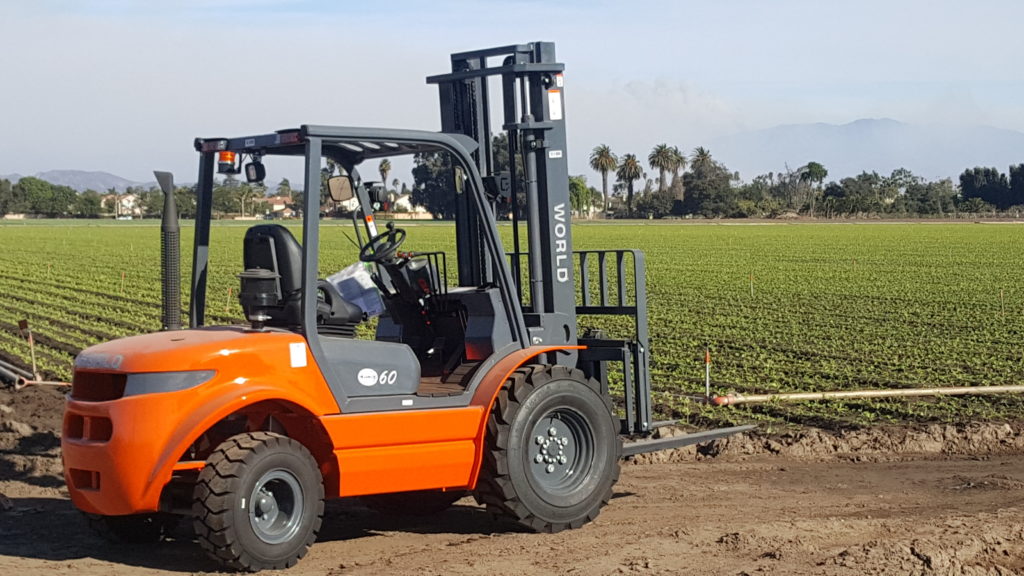
A Heli forklift is a serious investment. Running it on the wrong tyres — or on worn rubber that should’ve been swapped out months ago — puts unnecessary wear on the axles, bearings, and transmission. The machine costs a lot more to fix than a set of tyres does to replace.
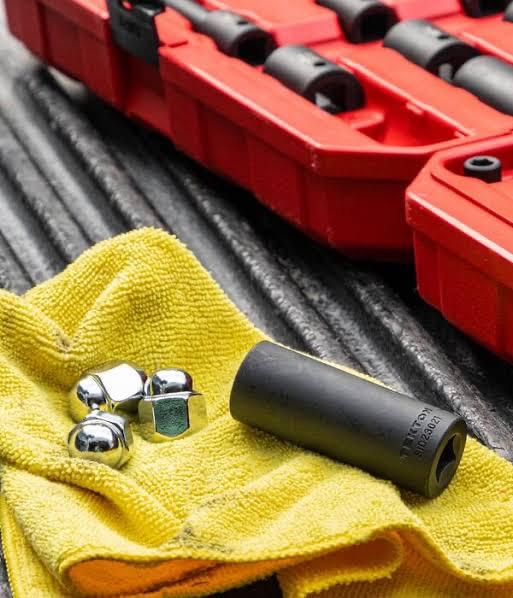
The safety side of this is worth saying plainly. More than 70% of forklift-related accidents are linked to maintenance failures, and tyre condition is consistently one of the main factors. Chunking — where pieces of rubber break away from the tyre body — is one of the most visible signs. Cracks on the sidewall, flat spots from hard braking, and uneven wear patterns across the tread are others.

Solid tyres should be replaced once they’ve lost roughly 50% of their original tread depth. Pneumatics need attention when tread depth drops below 3mm or when you can see cuts or bubbling anywhere on the tyre.
There’s also an efficiency angle that doesn’t always get talked about. On LPG and diesel Heli models, degraded rubber creates rolling resistance the engine has to fight on every cycle. On electric models, you’ll notice battery range dropping before you might notice anything visually wrong with the tyres. It doesn’t always happen overnight, but it adds up.
Fifty-three years of collective experience in the forklift industry means the team at GP Forklifts has seen pretty much every tyre situation a Heli operator runs into. That’s not just a number — it’s the difference between a technician who knows your machine’s bolt patterns and axle specs from experience, and one who’s figuring it out on the day.
One of the things that frustrates Johannesburg businesses most when sourcing Heli tyres is being told something is “available” and then waiting three weeks for it to arrive. We keep the most popular Heli-compatible sizes in stock. If your machine is standing, you don’t want to be chasing a shipment.
On-site fitting is available too. Not every business can easily transport a forklift — it’s a forklift, after all. If you need us to come to your premises, we can do that. Minimal disruption, machine back in service the same day in most cases.
For businesses managing BBBEE procurement, GP Forklifts is a BEE Level 1 Contributor with 135% procurement recognition. Supplier documentation for your scorecard is available on request.
And on pricing — what we quote is what you pay. If something comes up during the job, like a rim that needs attention before the tyre goes on, we’ll tell you before we proceed. Not after.
GP Forklifts maintains comprehensive service coverage throughout Gauteng, KwaZulu-Natal, Western Cape, and Eastern Cape. These regions contain the majority of South Africa's warehousing, manufacturing, and distribution operations, and we've positioned resources to provide rapid response throughout these areas. In Durban and surrounding KZN areas, we typically reach sites within 2-3 hours for emergency calls. Johannesburg, Pretoria, and Cape Town operations receive similar response times. Our familiarity with these industrial areas means we navigate efficiently even to facilities in complex industrial parks.
We also service equipment in Port Elizabeth, East London, Bloemfontein, Polokwane, and Nelspruit. Response times are longer in these regions – typically same-day or next-day depending on call timing and technician availability. For scheduled maintenance, we coordinate visits efficiently to service multiple sites during single trips, keeping costs reasonable.
Some operations exist in genuinely remote areas: mines, agricultural facilities, or specialised industrial sites far from major centres. We handle these situations with advance scheduling, ensuring our technician arrives fully prepared with all likely parts and tools needed. Travel costs apply, but we minimise these by coordinating multiple maintenance activities during each visit.
Larger facilities sometimes benefit from having a GP Forklifts technician based on-site several days weekly or even full-time. This arrangement makes sense for operations running 20+ forklifts where maintenance demands justify dedicated coverage. We discuss these options during initial assessments when fleet size suggests this approach could reduce overall costs.
Call 010 110 1819 or WhatsApp 063 837 9914. Give us your Heli model, the current tyre size (it's printed on the tyre sidewall — look for something like 6.50-10 or 7.00-12), and a quick description of where and how the machine's used. Five minutes on the phone and we've got what we need. Timeline: Same-day response during business hours.
We give you a clear figure covering tyres and fitting — not a ballpark. If you're not certain on the size or you'd like us to assess the machine first, that can be arranged. Timeline: Most quotes come back within a few hours of your enquiry.
Happy with the price? We lock in the booking. Your machine comes to us in Edenvale, or we come to you — whichever works better for your operation. Timeline: We typically schedule within 1–3 business days.
Worn tyres come off, rims get inspected for damage, and the new Heli-compatible tyres go on to the correct torque spec. If we notice anything else worth flagging, we'll mention it — no pressure to deal with it on the spot. Timeline: 1–3 hours depending on how many tyres and site accessibility.
We walk you through what was done and confirm the fitment before the machine goes back to work. Timeline: Same-day completion in most cases.

 Ryan Wiblin
Trustindex verifies that the original source of the review is Google.
We recently had to do some major repairs to our forklift. Bob and the team at GP forklifts were absolutely unreal in their service and communication. The forklift was repaired at a very reasonable price and great care and effort was put into repairing everything and I'm quite convinced that the forklift is now running better than when we bought it new. Thanks to Bob and his team! Manilall Girdhari
 Crispen Nyere
 Johan Van Rensburg
 Andrew NelGreat people, on site service, No time wasted! Good job guys!
We don't list fixed prices because the spread across tyre sizes, types, and quantities is too wide to make a single number useful. What we can say is that the pricing is competitive and we don't pad quotes. Solid tyres are usually the most cost-effective choice over time, even when the upfront cost is similar to pneumatics. Eliminating puncture-related downtime saves money, and maintenance costs over three to five years typically come down meaningfully. Pneumatic pricing shifts depending on size and format. Air-filled or foam-filled — foam-filled costs more upfront, but the puncture protection is built in, and plenty of operations decide that's worth the difference. Polyurethane sits at the higher end of the price range, but lasts significantly longer in the right application. If you're running electric Heli forklifts, the energy savings over the tyre's life offset a real portion of the cost gap. Quantity matters too. One tyre, four tyres, or a full fleet replacement — larger orders generally attract better per-unit pricing, so it's worth asking if you manage multiple machines. "We got a fair price with no surprises — exactly what you want when you're trying to keep operations running." → Get your no-obligation quote: Call 010 110 1819 or email sales@gpforklifts.co.za
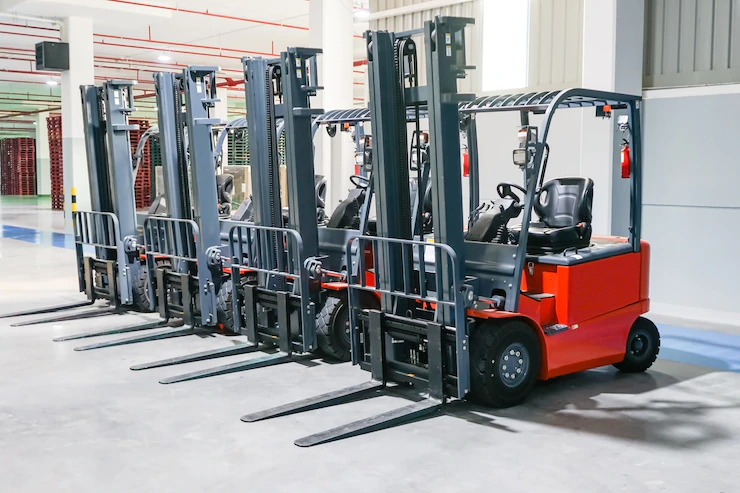
We carry a wide range of Heli-compatible sizes — 5.00-8, 6.00-9, 6.50-10, 7.00-12, 8.25-15, and more. If your specific model uses something we don’t have on the shelf, we can source it. Call with your Heli model number and current tyre size and we’ll confirm availability.
Bring the machine to our Edenvale workshop and we can usually turn it around the same day. If we’re coming to your site, scheduling typically falls within one to three business days depending on location and how the diary’s looking.
The quote covers tyres and standard fitting. If something comes up during the job — a rim that needs work before the tyre goes on, for example — we’ll flag it before we proceed, not after the fact.
Absolutely, and we maintain detailed service records that preserve warranty coverage. Some warranties require servicing by authorised dealers, though many simply require professional maintenance documentation. We’ll review your warranty terms during assessment to ensure our servicing meets all requirements. In some cases, we coordinate with dealers to maintain warranty compliance while providing more responsive local service.
For maintenance contract customers in our primary service areas (Gauteng, KZN, Western Cape, Eastern Cape), we commit to 4-hour emergency response during business hours, next-day response after hours. Non-contract customers receive service as technician availability allows, typically same-day or next-day. Remote areas naturally take longer – we’re honest about realistic response times rather than making promises we can’t keep.
For major repairs requiring workshop time, we arrange temporary replacements when available from our rental fleet. Availability isn’t guaranteed – we prioritise based on operational urgency and existing commitments. This service is included for premium maintenance contracts and available at daily rental rates for other customers. Many repairs happen on-site during scheduled maintenance, eliminating downtime entirely.
We never pressure customers into unnecessary work. When significant repairs are needed, we explain what’s failing, what happens if you defer the work, safety implications, and cost to repair versus replace. Sometimes the sensible decision is retiring old equipment rather than investing heavily in repairs. We provide honest advice based on your operational needs and budget constraints, not what generates the highest invoice.
Certainly – many customers start with call-out service to evaluate our work before committing to contracts. When you’re ready to switch, we conduct a thorough fleet assessment to establish baseline equipment condition, then propose appropriate contract terms. Existing equipment issues might need addressing before starting preventative maintenance programs, ensuring you’re not paying for regular servicing while dealing with accumulated neglect.