Your Mitsubishi forklift breaks down. Every hour it sits idle bleeds money from your bottom line. You need the right parts, and you need them now—not next week, not after three phone calls to suppliers who don’t stock what you need.
GP Forklifts has spent 53 years in this industry learning exactly what breaks, when it breaks, and how to get you running again fast. We stock genuine Mitsubishi parts because we’ve seen what happens when businesses try to save money with cheap alternatives. Spoiler: they end up spending more.
Single forklift or full fleet, doesn’t matter. You call, we answer. You order, we ship. Your machine gets fixed. That’s how this works.
✓ 53 years of combined forklift industry experience
✓ Genuine Mitsubishi parts with manufacturer warranties
✓ Same-day dispatch on in-stock parts
✓ Nationwide delivery across South Africa
Need parts today? Call 010 110 1819
Email: sales@gpforklifts.co.za
Monday to Friday: 7:30 AM – 4:30 PM
Look, we sell Mitsubishi forklift parts. All of them. The stuff that wears out every service, the expensive bits that fail at 2am, the scheduled maintenance parts your warranty requires. We keep them in stock because that’s literally our job.
01
Mitsubishi builds tough engines. But filters get dirty, gaskets get old, belts crack. Basic physics. We stock filters—oil, fuel, air—plus gaskets, injectors, pumps, belts, hoses, cooling parts, starters, and alternators.
Why does this matter? Because a R150 fuel filter that’s overdue doesn’t just slow your machine down. It wrecks your injection system. That’s a R40,000 lesson you only learn once. Same with belts—they don’t just squeal when they’re dying, they snap. Usually during your busiest shift, because that’s how these things work.
02
Hydraulics give your forklift its muscle. When they start failing, you’ll notice—slower cycles, weaker lifts, oil pooling under the machine. We’ve got lift cylinders, rams, pumps, motors, control valves, solenoids, high-pressure hoses, fittings, seals, O-rings, and filters.
Here’s the thing about hydraulic problems: they’re gradual until they’re not. That small leak gets bigger. That sluggish lift gets slower. Then one day it just quits completely. By then you’re not just replacing the worn seal—you’re replacing the cylinder it damaged on the way out. Fix it early, fix it once.
03
Electrical gremlins are the worst. Your forklift won’t start, or it cuts out randomly, or the safety interlock goes haywire. Infuriating to diagnose. We stock sensors, switches, wiring harnesses, relays, fuses, ignition bits, gauges, displays, safety system components, battery cables, and connectors.
Most electrical problems hide. They work fine, then they don’t, then they work again. Maddening. Call us before you start throwing parts at it. Five minutes on the phone describing what’s happening can save you from ordering three wrong components and wasting a day. We’ve been through this enough times to know what usually fails.
04
The bits that make your forklift move and stop. Kind of important. Worn transmission parts kill your efficiency and make operators fight the machine all day. Bad brakes kill people. We don’t mess around with this stuff. Transmission components, clutches, axle bearings, seals, brake shoes, drums, master cylinders, wheel cylinders, parking brakes, differential parts—all in stock.
About brakes: don’t cheap out. Seriously. Genuine Mitsubishi brake parts cost maybe 15% more than generic rubbish. They last twice as long and actually stop the machine properly. Given that you’re stopping three tonnes of forklift carrying two tonnes of load, that extra R800 is not the place to save money. We’ve seen what happens when people ignore this advice. It’s not pretty.
05
The mast and forks do the actual work. Every lift puts stress on roller bearings, bushings, chains, sheaves, fork hooks, positioning pins, sideshifters, fork extensions, and load backrests. Stuff wears out. That’s just how metal under constant load behaves.
Sloppy mast components make loads unstable. Stretched chains mess up your lift height and cause binding. You really don’t want to discover these problems while you’re carrying something expensive three metres up. Regular checks, timely replacement. Boring but necessary.
06
Operators sit in these machines for eight-hour shifts. Torn seats, broken mirrors, burnt-out lights—people tolerate this stuff because the forklift technically still works. But a tired, uncomfortable operator is a less safe operator. We stock seats, seat belts, mirrors, lights, hour metres, warning devices, pedal pads, floor mats, restraint systems, and cabin accessories.
These parts are cheap. A new seat costs less than one damaged pallet. A working mirror costs less than one collision. Fix the small things. Your operators will appreciate it, and you’ll have fewer incidents.
Where you buy parts matters. Cheap parts fail. Wrong parts waste time. Bad suppliers don’t answer their phones when you need help. Here’s what you actually get when you work with us.
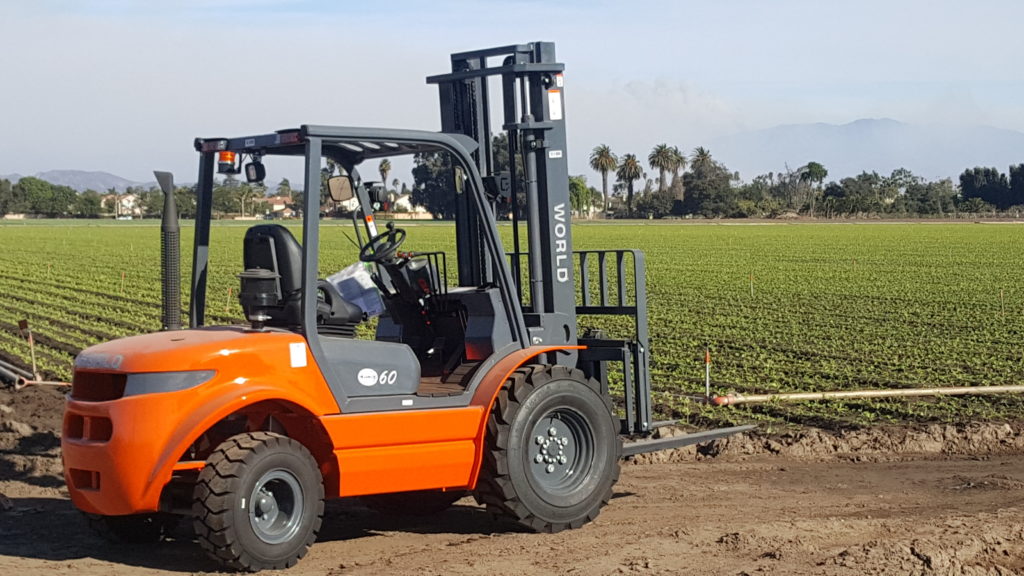
Fifty-three years dealing with forklifts. Between everyone here, we’ve seen most things that can break on a Mitsubishi. When you ring up describing a problem, chances are we’ve fixed that exact issue multiple times. We know which parts fail together, which symptoms mean what, and which ‘money-saving’ shortcuts cost you more later.
This saves you time and money. You’re not our training ground. You’re getting people who’ve already made the mistakes and learned the lessons.
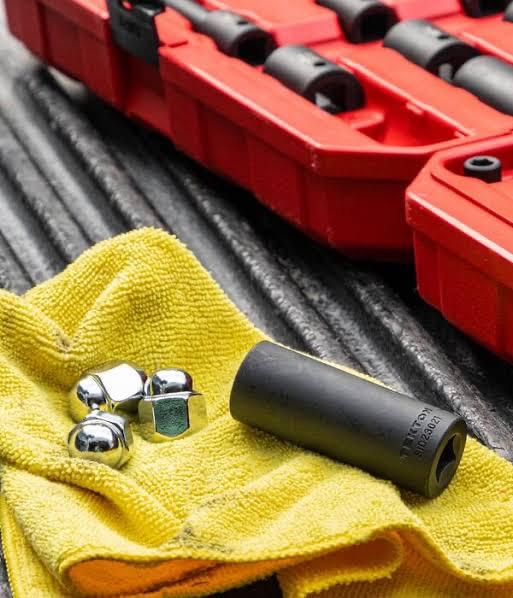
Every member of our maintenance team holds relevant trade qualifications – we don’t send apprentices out alone or use unqualified labour for skilled work. Beyond basic qualifications, our technicians receive ongoing manufacturer training as new models and technologies enter the market. Electric forklifts particularly require specialised knowledge around battery management systems and electronic controls that older diesel mechanics might lack.
We’re members of the Material Handling Equipment Distributors Association, giving us access to technical bulletins, safety alerts, and best practice updates that independent operators miss.

After every service visit, you receive a detailed report covering work completed, parts replaced, issues identified, and recommendations for attention. We photograph problem areas so you can see what we’re talking about rather than just reading descriptions. When expensive repairs loom, we present options: immediate fix, temporary solution, or scheduled replacement with cost comparisons for each approach.
This transparency builds trust – you’re never wondering whether recommended work is actually necessary or if we’re just trying to boost invoice values.
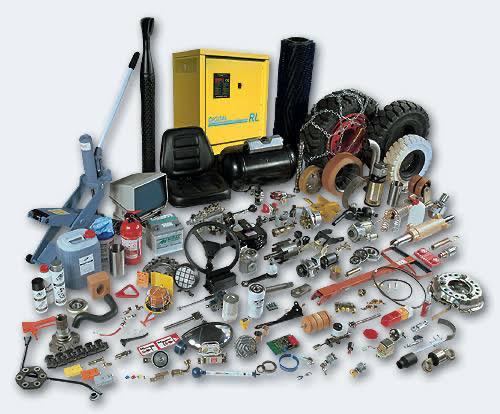
The forklift parts market includes plenty of cheap alternatives to original manufacturer components. Sometimes these work fine. Often they fail prematurely, costing more long-term than quality parts would have. We source genuine parts wherever safety or reliability matters – brake components, hydraulic seals, electrical systems, and structural elements always get proper specification parts.
For less critical applications, we discuss options. Aftermarket tyres might save money if you’re running light loads in clean environments. Generic filters work fine for regular service intervals. We explain trade-offs so you can make informed decisions.
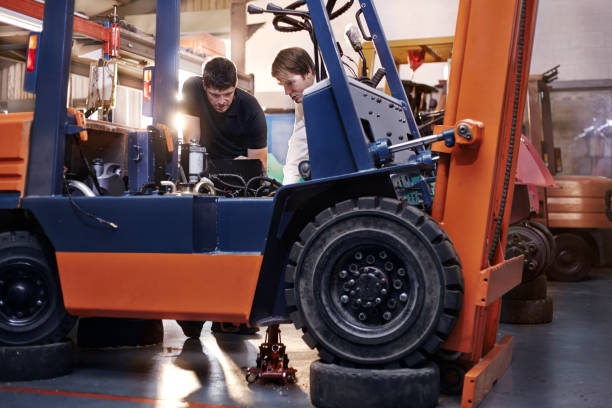
For contracted maintenance customers, we commit to specific response times: emergency breakdowns get attention within four hours in major centres, scheduled maintenance happens at your preferred times, and parts orders arrive within agreed timeframes. These aren’t vague promises – they’re contractual commitments with penalties if we don’t deliver.
We understand that every hour a forklift sits idle costs you money in delayed shipments, overtime payments, and frustrated customers. Our scheduling system prioritises based on operational impact, ensuring urgent situations get immediate attention.

Forklift maintenance isn’t cheap, but unexpected breakdowns cost far more. Our pricing reflects the quality of work and parts you’re receiving – we’re not the cheapest option, nor the most expensive. What you get is value: qualified technicians who do the job properly, genuine parts that last, and service that prevents costly failures.
We provide detailed quotes before starting non-emergency work. No surprise charges appear on invoices. If additional issues emerge during servicing, we contact you before proceeding with extra work.
Call 010 110 1819, email sales@gpforklifts.co.za, or fill in the form on our website. Have your forklift’s serial number handy—makes finding the right parts much easier. Don’t know where to find it? We’ll tell you where to look.
Tell us what’s broken or which parts you need. More detail helps—the more symptoms you describe, the better we can make sure you’re getting the right bits.
We’ll respond within two hours during business hours. Usually faster if it’s urgent.
We’ll send you a quote with part numbers, descriptions, and prices. Need something special ordered? We’ll tell you how long it’ll take. We’ll also mention related parts you might want to change at the same time—saves labour later.
Most quotes go out within an hour or two. Complex stuff takes longer.
Approve the quote, we’ll sort payment. Account customers get invoiced as usual. New customers or urgent orders: EFT, card, or cash. Soon as payment clears, your parts get packed and checked against the order.
Stock items usually ship within 2-4 hours of payment. Special orders go out when they arrive from the supplier.
Parts arrive via courier or you collect them—whatever you arranged. We’ll send tracking so you know when to expect delivery. Questions during installation? Ring us. We’ll talk you through it. Complex jobs, we can organise a proper technician.
Courier delivery: 1-2 days in major centres, 2-4 days elsewhere. Collection available immediately from our place.
Despite best maintenance practices, unexpected failures happen. When you contact us with a breakdown, our dispatch system immediately identifies your nearest technician and provides estimated arrival time. For critical situations where you need equipment running immediately, we sometimes arrange temporary replacements while repairs happen.
Emergency work follows the same quality standards as scheduled maintenance – we’re fixing the problem properly, not just getting you limping along until the next breakdown.
We ship Mitsubishi parts anywhere in South Africa. Johannesburg, Cape Town, Durban, wherever. Our couriers reach all the main industrial areas and most regional spots. Major cities get parts in 1-2 days usually. Regional areas, 2-4 days depending on courier schedules. Really desperate in a major centre? Same-day courier costs extra but it's possible. We work with all sorts—manufacturing, warehouses, logistics companies, retail, agriculture, construction, mining support, ports. If you run Mitsubishi forklifts in South Africa, we can help.
Parts pricing varies massively. An oil filter costs under R200. A replacement engine costs over R200,000. Rather than give you fake 'starting from' numbers, here's what actually affects what you'll pay.
Part complexity matters—engineered assemblies cost more than wear items. Stock availability matters—stuff on the shelf costs less than special orders from overseas. Exchange rates matter because not everything's made locally. Genuine parts cost more than generic stuff, but come with warranties and actually fit properly.
To give you a sense of what different parts categories typically cost: • Filters and routine maintenance items: R150 - R800 each • Hydraulic hoses and fittings: R300 - R2,500 depending on length and pressure rating • Electrical components and sensors: R500 - R4,000 depending on complexity • Brake components: R1,200 - R8,000 for complete axle service • Hydraulic cylinders and pumps: R8,000 - R45,000 depending on size and type • Major assemblies (engines, transmissions): R80,000 - R250,000+ depending on model These ranges are indicative only. Your specific parts will be quoted precisely based on your machine model and current supplier pricing.
We accept EFT (preferred for fastest processing), credit cards (Visa and Mastercard), and cash payments for collections. For established business customers, we offer 30-day account terms with approved credit application. Account terms make parts ordering simpler—you can order what you need and settle invoices according to your cash flow cycle.
Several factors influence what you'll actually spend on forklift maintenance: Equipment age makes a massive difference – older forklifts need more frequent parts replacement and take longer to service as components wear and adjustments become necessary. A ten-year-old forklift typically costs 40-60% more to maintain than three-year-old equipment. Usage intensity matters just as much as age. A forklift running single shift in a clean warehouse costs less to maintain than equipment operating double shifts in dusty, demanding conditions. We can estimate maintenance costs reasonably accurately once we understand your operational reality. Equipment type also factors in. Electric forklifts generally require less maintenance than diesel or LPG units – fewer moving parts and no engine tuning needed. However, battery replacement represents a significant eventual cost that combustion equipment doesn't face.
We offer flexible payment arrangements to suit different business needs. Maintenance contracts can be paid monthly, quarterly, or annually – longer commitments receive modest discounts. For call-out work, payment is due within 30 days of invoice. Larger repairs sometimes involve significant parts costs. We can arrange staged payments for major overhauls or component replacements exceeding R20,000, particularly for long-term maintenance contract customers.
Contact us at 010 110 1819 or info@gpforklifts.co.za with details about your forklift fleet: equipment types and ages, usage patterns (shifts per day, operating hours), current service history if available, and any immediate concerns. We'll arrange a site visit to assess your situation and provide accurate, detailed pricing within 48 hours. There's no charge for quotes or assessments, and no pressure to commit – we'd rather you make informed decisions than feel pushed into arrangements that don't fit your needs.

 Ryan Wiblin
Trustindex verifies that the original source of the review is Google.
We recently had to do some major repairs to our forklift. Bob and the team at GP forklifts were absolutely unreal in their service and communication. The forklift was repaired at a very reasonable price and great care and effort was put into repairing everything and I'm quite convinced that the forklift is now running better than when we bought it new. Thanks to Bob and his team! Manilall Girdhari
 Crispen Nyere
 Johan Van Rensburg
 Andrew NelGreat people, on site service, No time wasted! Good job guys!
Your forklift's sitting there broken. Every hour costs money. We've spent 53 years learning which parts break and how to get them to you fast. Genuine Mitsubishi stuff, people who know what they're doing, no rubbish. Contact GP Forklifts now:
Call 010 110 1819 now to arrange your free fleet assessment, or email info@gpforklifts.co.za with details about your equipment and operations. We'll visit your site, evaluate your maintenance needs, and provide straightforward pricing with no obligation to proceed.
Our service vehicles are stocked and ready. Our technicians are qualified and experienced. Our commitment is keeping your operation moving without the constant worry of unexpected breakdowns.
We source genuine Mitsubishi parts through established suppliers in South Africa. Everything comes with proper backing and warranties. We’ve been doing this for years and maintain the relationships needed to access genuine components and current technical specs.
Our technicians work on all major brands operating in South Africa: Toyota, Hyster, Yale, Crown, Linde, Nissan, and others including older models no longer officially supported. We maintain extensive parts networks and technical documentation covering virtually everything you’ll find in South African facilities. The occasional highly specialised or very new model might require us to bring in brand-specific expertise, but this is rare.
A comprehensive service includes hydraulic system inspection and fluid top-up, complete brake system check and adjustment, chain and mast examination, tyre inspection and pressure check, battery connections and charging system test (electric units), engine tune and filter replacement (combustion units), safety feature testing, and load test to verify capacity. We also note any developing issues requiring future attention. The whole process takes 2-4 hours depending on equipment condition and any additional work identified.
Absolutely, and we maintain detailed service records that preserve warranty coverage. Some warranties require servicing by authorised dealers, though many simply require professional maintenance documentation. We’ll review your warranty terms during assessment to ensure our servicing meets all requirements. In some cases, we coordinate with dealers to maintain warranty compliance while providing more responsive local service.
For maintenance contract customers in our primary service areas (Gauteng, KZN, Western Cape, Eastern Cape), we commit to 4-hour emergency response during business hours, next-day response after hours. Non-contract customers receive service as technician availability allows, typically same-day or next-day. Remote areas naturally take longer – we’re honest about realistic response times rather than making promises we can’t keep.
For major repairs requiring workshop time, we arrange temporary replacements when available from our rental fleet. Availability isn’t guaranteed – we prioritise based on operational urgency and existing commitments. This service is included for premium maintenance contracts and available at daily rental rates for other customers. Many repairs happen on-site during scheduled maintenance, eliminating downtime entirely.
We never pressure customers into unnecessary work. When significant repairs are needed, we explain what’s failing, what happens if you defer the work, safety implications, and cost to repair versus replace. Sometimes the sensible decision is retiring old equipment rather than investing heavily in repairs. We provide honest advice based on your operational needs and budget constraints, not what generates the highest invoice.
Certainly – many customers start with call-out service to evaluate our work before committing to contracts. When you’re ready to switch, we conduct a thorough fleet assessment to establish baseline equipment condition, then propose appropriate contract terms. Existing equipment issues might need addressing before starting preventative maintenance programs, ensuring you’re not paying for regular servicing while dealing with accumulated neglect.