BLACK FRIDAY DEAL UP TO 10% OFF
We’re GP Forklifts. Been doing this for 53 years, and honestly, we’ve seen what happens when businesses put off tyre replacement or try to save a few rand on cheap imports. It never ends well. We supply and fit proper tyres for every Nissan model out there – the small 1.5-ton electric ones right through to the big 7-ton diesel units.
Most people don’t think about forklift tyres until something goes wrong. But here’s the thing – they affect pretty much everything about how your machine works.
They determine whether your operators are comfortable during their shift. Whether the forklift’s vibrating itself to pieces. Whether you can actually handle the surfaces you’re working on. It’s not just about “do the tyres fit” – it’s about getting the right type for what you’re doing.
Three big mistakes we see all the time. First one: someone buys the absolute cheapest tyres they can find, then wonders why they’re replacing them again in six months. Second: the tyres look fine from a distance, so they keep running them even though the operators are complaining about the ride and the forklift’s handling like rubbish. Third: they’ve got the wrong type of tyre for their application. Cushion tyres on a rough yard, or pneumatic tyres in a clean warehouse where they don’t need them.
Need tyres sorted? 010 110 1819 or drop us a mail at sales@gpforklifts.co.za.
We’re open: Mon-Thu 7:30-17:00 | Fri 7:30-14:00
01
Most warehouses run these. They’re solid rubber pressed onto a metal band – no air, can’t go flat, won’t puncture no matter what you drive over.
If your Nissan’s working indoors most of the time, or on decent concrete outside, solid tyres are what you want. You’ll get 3,000 to 5,000 hours out of a good set. Depends how hard you work them, what surfaces, all that. They’re not cheap upfront, but work out the cost per hour and they’re actually cheaper than constantly fixing pneumatics that keep picking up nails and screws.
We fit them in two tread types. Smooth’s fine for clean indoor floors. Traction pattern (the one with grooves) – get that if you’re going between warehouse and yard, or if your floors get wet or oily. The traction wears faster but you need the grip.
02
Some Nissans need pneumatics. Usually the bigger units, the ones working on rough ground or uneven surfaces. They’re basically truck tyres – air-filled, tough sidewalls, proper tread depth. They absorb shocks way better than solid tyres.
The catch with pneumatics? You’ve got to actually maintain them. Check the air pressure weekly if you’re using the machine hard. They can puncture. Not constantly, but it happens. Usually when someone’s been running them under-inflated and the sidewalls overheat and fail.
For construction sites, timber yards, anywhere rough – you probably need pneumatics. The operator gets a better ride, and your forklift’s not taking a hammering every time it hits a bump.
03
The smaller Nissans, especially electric ones, often use cushion tyres. Solid rubber pressed straight onto the wheel. No rim. They’re more compact, which helps in tight warehouse aisles where you need every bit of turning space.
Cushion tyres wear differently. You measure across the centre, not top to bottom (because the weight flattens them). There’s a two-inch rule – when they’ve lost two inches from their original diameter, they’re done. Don’t try to guess this. We measure it properly and we’ll tell you straight whether you need new tyres now or you’ve got another few months in them.
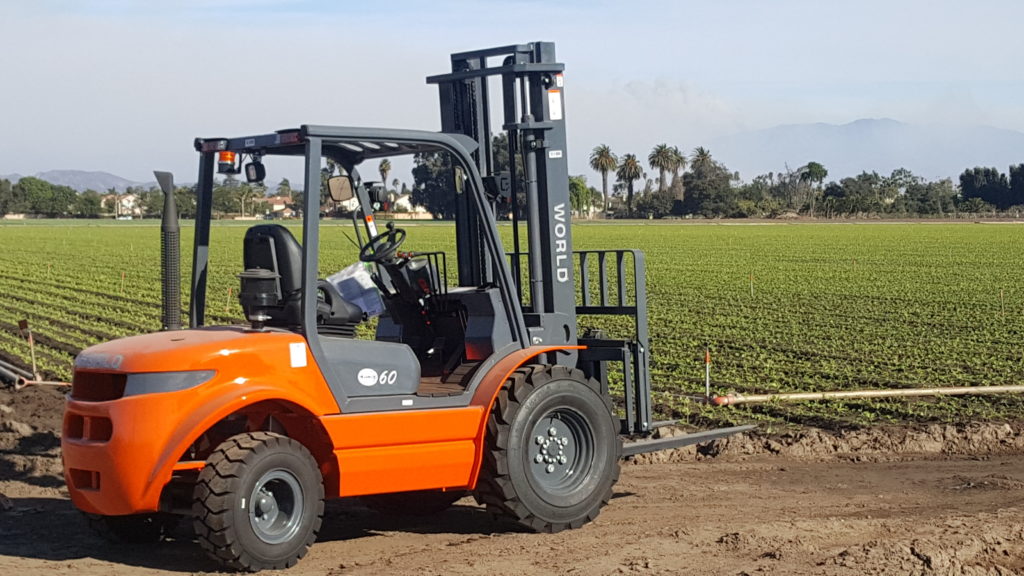
We’ve Worked on Every Nissan Going
53 years in this business means we’ve seen them all. Old 1F series, current models, everything in between. We know which tyre sizes fit which models, which brands actually last in South African heat, which suppliers to avoid. That knowledge matters because the wrong tyre isn’t just annoying – it’s actually dangerous.
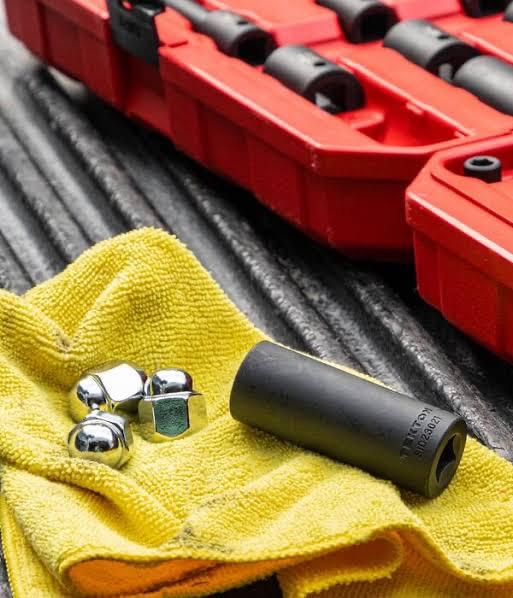
We’ve Got Proper Equipment
Mobile hydraulic press. Proper torque tools. Safety checks done right. We fit tyres on-site so you don’t have to bring the forklift to us. We’ve fixed too many bodge jobs where someone tried to save money doing it themselves or used the wrong tools. It never works out well.

We Keep Common Sizes in Stock
The sizes most Nissan forklifts use? We’ve got them. Less common sizes usually take 24-48 hours. We work with multiple suppliers, so if one brand’s out of stock or doesn’t fit your budget, we’ve got options.
BEE Level 1 If That Matters to You
We hold 135% procurement recognition. Makes the paperwork easier if you need it for compliance. It’s not why you should choose us, but it helps tick the boxes.
Step 1: Work Out What You Need
We need to know which Nissan model you’re running and what you’re doing with it. A 2.5-ton electric warehouse machine needs different tyres to a 5-ton LPG unit working a builder’s yard. We’ll ask about your surfaces, how many hours per week you’re running, whether you’ve had problems with your current tyres.
Not sure what size? Give us the forklift’s serial number or send a photo of the tyre sidewall. We’ll sort it out.
This is usually just a quick phone call. Sometimes we’ll pop past if you’re nearby and we need to check things properly.
Step 2: Quote You Properly
We’ll quote for the tyres we actually think you should fit. Not just the cheapest option. The quote includes the tyres, fitment, balancing if it’s needed, disposal of the old ones. What we quote is what you pay.
If budget’s tight, we’ll talk through options. Sometimes a slightly cheaper tyre works fine for light use. Sometimes it doesn’t, and we’ll explain why.
You’ll get this the same day for standard sizes. Within 24 hours for everything else.
Step 3: Schedule the Work
Most businesses can’t have their forklift down for half a day. We get that. Morning shifts using it? We’ll come in the afternoon. Need weekend work? We can do that too.
Usually we bring our mobile press to you. If you’d rather bring the forklift to us in Edenvale, that works as well.
We can typically fit you in within a week. Urgent situations, we’ll move things around and get to you faster.
Step 4: Fit Them Right
This takes however long it takes. We’re not rushing it. Remove the old tyres, check the wheels and rims for damage, fit the new ones with proper equipment, torque everything correctly, check the forklift’s stable before you get it back. If we spot other issues while we’re working – damaged wheel, loose fixings, whatever – we’ll let you know.
Your operator shouldn’t notice any difference except the ride’s smoother and it handles better.
Takes 2-4 hours depending on how many tyres you’re changing.
We're based in Sebenza, Edenvale. That puts us in a decent position to cover most of Johannesburg fast. Johannesburg, Midrand, Pretoria, Boksburg, Germiston, Centurion - we service forklifts across the province. Same-day or next-day response for most areas. If you're further out - Rustenburg way, or down towards Vereeniging - we'll still get to you but it might take an extra day to schedule. We also handle Nissan forklift tyres in Limpopo, Mpumalanga, and North West when businesses need us. For those regions there's usually a bit of planning to coordinate the trip, but we've got regular customers we visit up there.
Nissan forklift tyres aren't cheap. But they're cheaper than the problems you get from running worn ones. Here's roughly what you're looking at: Solid Tyres: R2,500-R6,000 per tyre depending on size. Smaller forklifts obviously cost less, bigger units cost more. That's including fitment. Pneumatic Tyres: Usually R1,800-R4,500 per tyre depending on size and whether you need proper industrial-grade or standard. Fitment included. Cushion Tyres: Generally R1,500-R3,500 depending on dimensions.
We work with most businesses' payment systems. Account customers get 30-day terms. New customers or one-off jobs, we usually want payment when we're done.
You might save R500 per tyre buying cheap imports from some unknown supplier. But they'll wear out in half the time. Or crack in the heat. Or won't fit properly and you'll have handling problems. We've replaced enough budget tyres after three months to know it doesn't work out. The tyres we supply are what we'd fit to our own equipment. That's the standard.
Call 010 110 1819 or WhatsApp 063 837 9914. Give us your Heli model, the current tyre size (it's printed on the tyre sidewall — look for something like 6.50-10 or 7.00-12), and a quick description of where and how the machine's used. Five minutes on the phone and we've got what we need. Timeline: Same-day response during business hours.
We give you a clear figure covering tyres and fitting — not a ballpark. If you're not certain on the size or you'd like us to assess the machine first, that can be arranged. Timeline: Most quotes come back within a few hours of your enquiry.
Happy with the price? We lock in the booking. Your machine comes to us in Edenvale, or we come to you — whichever works better for your operation. Timeline: We typically schedule within 1–3 business days.
Worn tyres come off, rims get inspected for damage, and the new Heli-compatible tyres go on to the correct torque spec. If we notice anything else worth flagging, we'll mention it — no pressure to deal with it on the spot. Timeline: 1–3 hours depending on how many tyres and site accessibility.
We walk you through what was done and confirm the fitment before the machine goes back to work. Timeline: Same-day completion in most cases.

 Ryan Wiblin
Trustindex verifies that the original source of the review is Google.
We recently had to do some major repairs to our forklift. Bob and the team at GP forklifts were absolutely unreal in their service and communication. The forklift was repaired at a very reasonable price and great care and effort was put into repairing everything and I'm quite convinced that the forklift is now running better than when we bought it new. Thanks to Bob and his team! Manilall Girdhari
 Crispen Nyere
 Johan Van Rensburg
 Andrew NelGreat people, on site service, No time wasted! Good job guys!
Worn tyres slow everything down. They make your forklift less stable, less safe, less productive. They cost you money in damaged loads, injured operators, machines breaking down more than they should. Getting the right tyres fitted properly doesn't need to be complicated. Call GP Forklifts on 010 110 1819 or email sales@gpforklifts.co.za. We'll work out what your Nissan actually needs. We're at 47 Harris Avenue, Sebenza, Edenvale if you want to come past. Otherwise we'll come to you. No pressure, no sales tactics - just honest advice from people who've been doing this for 53 years and know what actually works. Contact: 📞 Phone: 010 110 1819 📧 Email: sales@gpforklifts.co.za 📍 Address: 47 Harris Avenue, Sebenza, Edenvale 🕒 Hours: Mon-Thu 7:30-17:00 | Fri 7:30-14:00 BEE Level 1 | 135% Procurement Recognition

There’s no fixed answer because it completely depends on your usage. A forklift doing 40 hours a week on rough surfaces needs tyres way more often than one doing 10 hours on smooth concrete. Rough guide: solid tyres last 3,000-5,000 hours, pneumatics maybe 2,000-4,000 hours. But check them monthly. Don’t just guess.
You can, but don’t. Both tyres on the same axle need to be identical – same size, same brand, similar wear. Front and rear can be different if you have to, but matching everything gives you better handling and it’s safer. We recommend replacing in full sets when you can.
For cushion tyres – measure across the centre of the tyre (sideways, not top to bottom). If it’s lost two inches or more from its original diameter, it needs replacing. Less wear, you’re probably fine. More than two inches gone, you’re risking damage to your forklift and it’s not safe.
Absolutely, and we maintain detailed service records that preserve warranty coverage. Some warranties require servicing by authorised dealers, though many simply require professional maintenance documentation. We’ll review your warranty terms during assessment to ensure our servicing meets all requirements. In some cases, we coordinate with dealers to maintain warranty compliance while providing more responsive local service.
For maintenance contract customers in our primary service areas (Gauteng, KZN, Western Cape, Eastern Cape), we commit to 4-hour emergency response during business hours, next-day response after hours. Non-contract customers receive service as technician availability allows, typically same-day or next-day. Remote areas naturally take longer – we’re honest about realistic response times rather than making promises we can’t keep.
For major repairs requiring workshop time, we arrange temporary replacements when available from our rental fleet. Availability isn’t guaranteed – we prioritise based on operational urgency and existing commitments. This service is included for premium maintenance contracts and available at daily rental rates for other customers. Many repairs happen on-site during scheduled maintenance, eliminating downtime entirely.
We never pressure customers into unnecessary work. When significant repairs are needed, we explain what’s failing, what happens if you defer the work, safety implications, and cost to repair versus replace. Sometimes the sensible decision is retiring old equipment rather than investing heavily in repairs. We provide honest advice based on your operational needs and budget constraints, not what generates the highest invoice.
Certainly – many customers start with call-out service to evaluate our work before committing to contracts. When you’re ready to switch, we conduct a thorough fleet assessment to establish baseline equipment condition, then propose appropriate contract terms. Existing equipment issues might need addressing before starting preventative maintenance programs, ensuring you’re not paying for regular servicing while dealing with accumulated neglect.