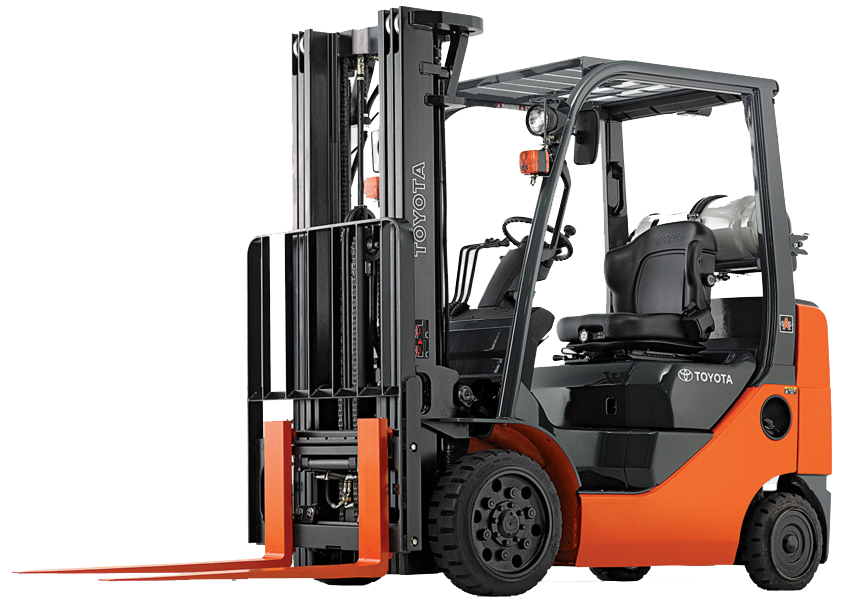
Your Toyota forklift’s down. Middle of a shift, pallets stacking up, and everyone’s looking at you. We’ve been there—seen it hundreds of times across Gauteng over the past 53 years. When you need Toyota forklift parts fast, you need someone who actually stocks them, knows what they’re doing, and won’t mess you about.
Look, we’re GP Forklifts in Sebenza, Edenvale. We’ve built our reputation on one simple thing: getting businesses back up and running. Whether your operation’s in Kempton Park, you’re running a site in Pretoria, or managing a facility in Alberton, finding reliable Toyota forklift spares shouldn’t feel like pulling teeth.
Here’s what we’ve learned after decades in this industry—and what you actually need to know about sourcing and maintaining your Toyota parts across South Africa.
What Makes Toyota Forklift Parts Different from Generic Alternatives?
The truth about genuine Toyota forklift parts versus generic ones? It’s not just marketing speak, though plenty of suppliers will try telling you otherwise.
Toyota engineers their equipment to exact tolerances. Everything’s designed to work together. When you fit a genuine part, you’re maintaining that precision. Generic parts might bolt on, sure, but they’re manufactured to looser standards. We’ve seen it play out too many times—someone saves R600 on a hydraulic seal, then three months later the whole pump’s contaminated because that seal failed.
Just last month, actually. Customer in Kempton Park tried an aftermarket hydraulic pump to save money. Lasted four months before it died, took the contaminated fluid through the entire system. What should’ve been a R3,500 repair turned into R18,000. The genuine part we fitted after that? Still running perfectly.
There’s also the warranty aspect. We back genuine parts because we know they’ll perform. Generic stuff often comes with those warranties that sound good until you actually try claiming—then suddenly there’s ten reasons why your specific failure isn’t covered. When you’re running a business that depends on your material handling equipment, that matters more than people think.
How Much Do Toyota Forklift Spare Parts Cost in South Africa?
Toyota forklift spare parts prices vary wildly depending on what’s broken, but we try being straight about costs. Small wear items—filters and such—typically run R150 to R800. Hydraulic components start around R2,500 for basic cylinders, going up to R15,000 or more for complete pump assemblies. Engine parts? That’s a wider range again. Spark plugs might be R200 each, but a complete engine rebuild kit could hit R45,000.
What drives the cost in our market? Import duties affect everything. The rand-dollar exchange rate creates fluctuations we can’t always control. We stock high-demand items when we can to offer more stable pricing, but specialised components sometimes need ordering internationally.
Load shedding’s impacted us too, honestly. Manufacturing delays, logistics disruptions—lead times stretch, and urgent orders sometimes carry premium pricing. We’ve adapted by expanding our inventory of critical Toyota forklift replacement parts, trying to help customers avoid those emergency prices.
Labour for installation matters as well. Some parts you can fit yourself with basic tools. Filters, light bulbs, minor bits and pieces. Others need hydraulic knowledge, specialised equipment, diagnostic tools. We’re always honest about whether something needs professional installation. A R3,000 part fitted wrong can quickly become a R10,000 problem if it causes secondary damage.
Which Toyota Forklift Parts Wear Out Most Frequently?
After decades servicing Toyotas across Johannesburg, we’ve spotted clear patterns in which Toyota forklift maintenance parts need replacing most often. Understanding this helps with budgeting and planning your maintenance schedule.
Tyres top the list. Especially in high-intensity operations. Solid tyres on electric forklifts typically last 3,000 to 5,000 operating hours, but rough surfaces or aggressive driving can halve that. We’ve fitted replacement tyres after just 18 months when operators habitually spin wheels during turns. Our forklift tyre services include assessing your operating environment to recommend the best type for your specific conditions.
Filters come next—air, fuel, hydraulic, transmission. We recommend every 250 operating hours for most filters, or quarterly for lighter-use machines. Johannesburg’s dust can be particularly harsh on air filters. We’ve seen engines damaged because operators extended service intervals trying to save a few hundred rand.
Brake components wear faster than most people expect. Brake pads on diesel and LPG Toyotas typically need replacement every 1,000 to 2,000 hours. Electric forklifts use regenerative braking, which reduces pad wear but increases load on electrical components. Battery cables and connectors become the critical wear items on electric models.
Fork wear varies dramatically by application. Moving pallets in a climate-controlled warehouse puts minimal stress on forks. Handling scrap metal or working on rough outdoor surfaces? That wears fork tips and heels significantly faster. We measure fork wear during routine servicing and recommend replacement when it reaches safety thresholds—typically around 10% of original thickness.
Should You Buy OEM or Aftermarket Toyota Forklift Parts?
This question comes up constantly. Our answer depends on the specific component and your situation.
For critical safety and hydraulic systems? We strongly recommend genuine Toyota forklift parts. The mast assembly, lift chains, load backrests, overhead guards, braking systems—these aren’t areas to mess about with.
We’ve responded to emergency calls where aftermarket hydraulic hoses failed catastrophically. High-pressure fluid spraying across a warehouse. Beyond the safety risk and cleanup cost, that forklift was down for three days waiting for proper replacement parts. A genuine hose that cost R800 more upfront would’ve prevented a R20,000 problem.
For certain wear items and accessories, quality aftermarket parts can offer good value. Light bulbs, mirrors, seats, some electrical components—there are reputable aftermarket manufacturers producing to acceptable standards. We evaluate aftermarket suppliers carefully and only stock brands we trust based on real-world performance in our customers’ equipment.
Here’s our practical approach: if the part failure could cause a safety incident, damage other components, or create significant downtime, buy genuine. If it’s a simple wear item where failure is obvious and easily remedied, quality aftermarket might work. When customers are unsure, we provide options with clear explanations of the tradeoffs.
Your forklift’s age factors into this decision too. Newer Toyota models under warranty? Using non-genuine parts can void coverage. Older forklifts where replacement value is lower? Some customers choose aftermarket parts to extend economic life while planning for eventual replacement. We help you make informed decisions based on your specific situation and budget realities.
Where Can You Source Toyota Forklift Parts Near Me in Gauteng?
Finding Toyota forklift parts near me in Gauteng involves balancing speed, price, and reliability. Our facility in Sebenza, Edenvale, stocks the most commonly needed parts for immediate pickup. We’ve built relationships with customers from Centurion to Boksburg, Springs to Krugersdorp, because our central Gauteng location makes us accessible from most industrial areas.
For urgent needs, proximity matters enormously. A forklift down during a production run costs far more than expedited delivery. We offer same-day courier delivery to most Gauteng locations for in-stock items ordered before 11:00 AM. For customers in Johannesburg’s industrial belt—City Deep, Wadeville, Germiston, Isando—we can often deliver within 2-3 hours.
Specialist parts sometimes require ordering from Toyota’s national network or international suppliers. We’re straight about lead times and always explore alternatives when standard delivery won’t meet your timeline. Our 53 years of industry connections mean we can often source hard-to-find parts through our network faster than you could going it alone.
We’ve also invested in relationships with reliable couriers who understand how to handle forklift components. A damaged hydraulic cylinder or bent fork arrives useless, regardless of how quickly it got there. Proper packaging and handling protocols ensure parts arrive ready to install.
Our parts expertise extends beyond Toyota, actually. We service Clark, Mitsubishi, Yale, CAT, Hyster, Linde—virtually every forklift brand operating in South Africa. Many components have cross-compatibility, and our technicians’ knowledge helps identify when equivalent parts can work across different brands. Sometimes this reduces lead times and costs significantly.
What Are the Most Critical Toyota Forklift Engine Parts to Keep in Stock?
Understanding which Toyota forklift engine parts to maintain as spare inventory depends on your operation’s size and how critical uptime is. Single-forklift operations might keep only basic filters and fluids on hand. Multi-forklift warehouses benefit from strategic spare parts inventory.
Filters are non-negotiable stock items. Air, fuel, and oil filters should always be available for scheduled maintenance. Missing a filter change because the part isn’t available leads to postponed servicing, and we’ve seen that cascade into expensive engine damage. A R400 air filter replaced on schedule prevents a R15,000 turbocharger replacement.
Spark plugs for LPG models belong in every toolroom. They’re inexpensive, fail without warning, and cause immediate shutdown. Keeping a complete set costs under R1,000 and can save hours of downtime. For diesel engines, injector nozzles and glow plugs serve similar functions—relatively cheap insurance against unexpected failure.
Fuel system components warrant consideration for critical operations. Fuel pumps, particularly on older Toyotas, can fail suddenly. A spare pump might represent a R8,000 investment, but compare that to halted production while waiting three days for delivery. We help customers assess their risk tolerance and operational criticality to make smart inventory decisions.
Cooling system parts—thermostats, water pumps, radiator hoses—fail predictably with age. If your Toyota forklift exceeds 5,000 operating hours, consider stocking these items. Overheating damage escalates quickly. A failed R600 thermostat can lead to a warped cylinder head costing R35,000 to repair.
Battery cables and terminals for electric Toyotas deserve attention too. Corrosion happens faster in humid coastal climates, but even Johannesburg’s relatively dry air doesn’t prevent eventual degradation. We see batteries that test perfectly but can’t deliver power due to corroded connections. Replacement cables cost a few hundred rand and take minutes to fit.
How Do Toyota Forklift Hydraulic Parts Impact Performance?
Toyota forklift hydraulic parts form the heart of your machine’s lifting capability. Degraded hydraulics affect everything from lift speed to load capacity. We’ve diagnosed hundreds of hydraulic issues across Gauteng, and the symptoms often seem mysterious to operators until you understand the system.
Hydraulic pump condition determines overall system performance. As pumps wear, they lose efficiency—the engine works harder to produce the same lifting force. Early signs include slower lift speeds and higher operating temperatures. You might not notice gradual degradation until a newer forklift arrives and shows how much performance you’ve lost. Pump replacement typically runs R12,000 to R18,000 depending on model, but restores full capability.
Cylinder seals fail through normal wear or contamination. External seal failure shows as visible fluid leakage around cylinder rods. Internal seal failure is sneakier—the mast drifts down slowly when loaded, or doesn’t hold full height. Seal kits cost a fraction of cylinder replacement, usually R1,500 to R3,500 including labour. Early detection is valuable.
Contaminated hydraulic fluid causes cascading damage throughout the system. Metal particles from worn components circulate through valves, cylinders, and pumps, accelerating wear. We’ve replaced complete hydraulic systems on forklifts where operators ignored fluid condition. R800 spent on annual hydraulic fluid testing and R2,500 on fluid replacement prevents R50,000 repair bills. It’s not complicated maths.
Control valves regulate lift, tilt, and auxiliary functions. Sticky or worn valves create jerky operation and poor load control. Operators compensate by adjusting their technique, which works until valve wear crosses a threshold and the function fails entirely. Valve rebuilding costs R4,000 to R7,000, while replacement runs R8,000 to R12,000—another area where early intervention saves money.
Hoses and fittings might seem mundane, but high-pressure hydraulic failures create serious safety risks. We replace hoses showing any cracking, bulging, or weeping proactively. The labour to access some hoses exceeds the parts cost, so combination hose replacement during other servicing makes economic sense. A burst hydraulic hose under a loaded mast has injured operators. This isn’t an area to defer maintenance.
Why Choose GP Forklifts for Your Toyota Forklift Parts in Johannesburg?
Our approach to being Toyota forklift parts suppliers differs from typical parts counters. We’re forklift specialists who understand how components function within complete systems, not just box movers who match part numbers. When you call us about a problem, we ask questions to diagnose the actual issue rather than simply processing an order.
Our BEE Level 1 status (135% procurement recognition) benefits customers who need to meet transformation targets without compromising on quality. We understand South African business realities and work within your procurement processes smoothly. Documentation is complete, delivery is reliable, and our pricing remains competitive while supporting genuine parts quality.
The 53 years of collective experience our team brings shows in practical ways. We’ve seen how different operating environments across Gauteng affect parts wear. Warehouse operations in Isando face different challenges than construction sites in Midrand or cold storage facilities in Spartan. We recommend parts and maintenance schedules based on your specific situation, not generic manufacturer recommendations.
Our forklift repair services integrate with parts supply seamlessly. Customers who need installation help don’t hunt for separate technicians—our qualified mechanics fit parts properly and test thoroughly before returning machines to service. We’ve built relationships with clients where we maintain their entire fleet, stocking commonly needed parts and scheduling preventive maintenance to minimise disruption.
Quick turnaround matters in our industry. Every hour your forklift sits idle costs money. Our Edenvale location keeps extensive inventory, and our logistics ensure rapid delivery across the East Rand, Johannesburg CBD, and wider Gauteng. For customers outside our immediate area, we’ve developed efficient shipping solutions to Limpopo, Mpumalanga, and even cross-border to Zimbabwe, Zambia, Namibia, and Botswana.
How Often Should You Replace Common Toyota Forklift Parts?
Establishing proper replacement intervals for Toyota forklift replacement parts requires balancing manufacturer recommendations with your actual operating conditions. Toyota provides maintenance schedules based on average use, but intensive operations or harsh environments accelerate wear significantly.
Filters follow fairly standard intervals. Engine oil filters change every 250 hours or three months, whichever comes first. Air filters depend on environment—monthly inspection is wise for dusty conditions like construction sites or outdoor materials yards. Hydraulic filters typically last 1,000 hours, but contaminated systems need more frequent changes until cleanliness stabilises.
Fluid changes often get postponed to “save money,” but this backfires badly. Engine oil in diesel and LPG forklifts needs changing every 250-500 hours depending on operating severity. Hydraulic fluid should change every 1,000-2,000 hours, or sooner if it shows contamination or moisture. Transmission fluid often gets overlooked—most Toyota forklifts need transmission servicing every 1,000 hours to prevent expensive gearbox damage.
Wear components have more variable lifespans. Brake pads might last 1,000 hours in light warehouse duty or 500 hours in heavy outdoor use. We measure brake pad thickness during routine servicing and replace them at 30% remaining thickness rather than waiting for complete wear. This prevents rotor damage and maintains safety margins.
Tyres represent your single largest regular parts expense. Solid tyres might deliver 5,000 hours in ideal conditions, but aggressive driving, sharp turns at speed, or rough surfaces can reduce that to 2,000 hours. Pneumatic tyres are more vulnerable to punctures and sidewall damage. We recommend quarterly tyre inspections to catch problems before they cause failures. Our comprehensive forklift maintenance includes detailed tyre assessment and wear tracking.
Electrical components on battery-powered Toyotas need attention too. Battery cables should be inspected every 500 hours and replaced at first signs of corrosion. Contactors and solenoids typically last several thousand hours but can fail without warning. Keeping spares for critical electrical parts makes sense for businesses dependent on electric forklifts.
What Should You Know About Toyota Forklift Mast Parts and Chains?
Toyota forklift mast parts handle enormous stress and require careful attention to safety. The mast assembly lifts thousands of kilograms repeatedly. Any failure creates catastrophic risks. We approach mast components with appropriate seriousness and never compromise on genuine Toyota parts in this area.
Lift chains require regular inspection and eventual replacement. Wear happens gradually through normal operation, but it’s measurable. We check chain pitch elongation—as pins and bushings wear, the chain stretches. Once elongation exceeds 3% of original length, replacement becomes necessary for safety. On intensive operations, chains might need replacement every 3,000-4,000 hours. Lighter use could see chains last 6,000 hours or more.
Chain anchors and attachments seem minor but failing attachments have dropped loads with serious consequences. We inspect anchor bolts, pins, and attachment plates during every service. Loose or worn attachments get tightened or replaced immediately. There’s no acceptable risk tolerance here.
Mast rollers and bearings guide mast sections smoothly and carry significant side loads when handling offset loads. Worn rollers cause jerky lifting and uneven mast movement. Bearing failure creates noise and can lead to mast binding or complete seizure. Roller replacement typically runs R4,000 to R8,000 depending on mast type, while bearing replacement is R2,500 to R5,000 per bearing.
Lift cylinders form another critical component. External damage from impacts can bend cylinder rods, causing seal failure and fluid leakage. Internal wear allows load settling, where the forks slowly descend when holding a load. Any cylinder showing persistent leakage or load settling needs immediate attention. We’ve seen loaded pallets drop when tired operators left forks elevated and cylinder seals finally failed completely.
The mast structure itself can develop cracks or wear in pivot points. Annual thorough inspection should check for metal fatigue, loose bolts, and proper alignment. Manufacturers including Toyota specify mast rejection criteria—maximum channel wear, acceptable crack locations, and dimensional tolerances. We follow these guidelines strictly because mast failure can kill someone. That’s not being dramatic—it’s a reality we take seriously.
How Can You Extend the Life of Your Toyota Forklift Parts?
Maximising the lifespan of your Toyota forklift parts Gauteng investment comes down to consistent maintenance and smart operating practices. We’ve watched identical Toyota models in similar applications achieve vastly different parts longevity based purely on how they’re maintained and operated.
Operator training makes the biggest single impact. Properly trained operators accelerate and brake smoothly, take corners at appropriate speeds, and don’t abuse controls. Rough operation doubles parts wear—brake components, tyres, hydraulic seals, and transmission parts all suffer from aggressive driving. We’ve seen businesses cut their parts expense by 30% simply by implementing better operator training and accountability.
Scheduled servicing follows training in importance. Skipping filter changes to save R600 leads to R15,000 repairs. Missing hydraulic fluid changes accelerates pump wear. Postponing brake adjustments causes rotor damage. Our total forklift services include scheduled maintenance planning that aligns with your operating hours and budget cycles to keep forklifts in peak condition.
Environmental management helps too. Keeping work areas clean reduces contamination entering air filters and hydraulic systems. Proper floor maintenance prevents excessive tyre wear and suspension stress. In Johannesburg’s industrial areas where dust can be significant, daily forklift cleaning pays dividends in extended component life.
Fluid quality impacts everything it touches. Using genuine Toyota-specified fluids ensures proper lubrication and component protection. Cheap substitutes might save R200 per service, but they don’t protect as well and lead to accelerated wear. Engine oil, hydraulic fluid, transmission oil, and coolant should all meet Toyota’s specifications. This isn’t an area to experiment with alternatives.
Battery maintenance for electric Toyotas directly affects parts longevity. Proper charging practices, regular watering (for flooded batteries), and connection cleaning prevent electrical component damage. We’ve replaced contactors, controllers, and motors on electric forklifts where poor battery maintenance caused voltage irregularities that damaged electrical systems. Battery care is forklift care.
Ready to Source Quality Toyota Forklift Parts in Johannesburg?
We’re committed to keeping your material handling equipment running reliably with genuine parts, expert advice, and responsive service. Whether you need emergency parts delivery, scheduled maintenance, or help planning your spares inventory, our team brings 53 years of experience to support your operations across Gauteng and South Africa.
Contact us today at 010 110 1819 or email sales@gpforklifts.co.za to discuss your Toyota forklift parts needs. Visit our facility at 47 Harris Avenue, Sebenza, Edenvale, or let us deliver directly to your site anywhere in South Africa.