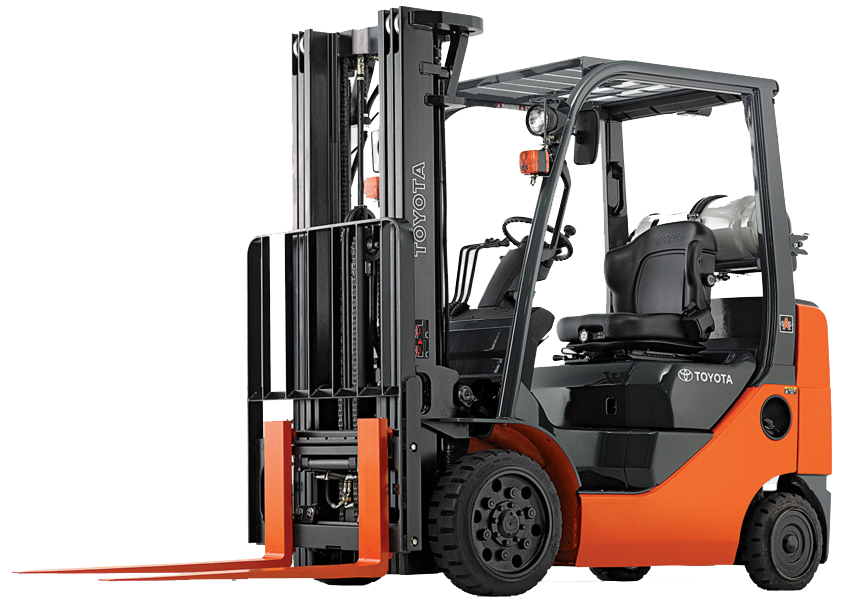
In the bustling world of warehouse operations, forklifts are indispensable tools that ensure smooth and efficient material handling. The performance of these machines hinges significantly on the quality of their mast and lift components, which play crucial roles in functionality and safety. For warehouse managers, forklift operators, and equipment maintenance professionals, understanding the importance of these heavy-duty elements can lead to enhanced forklift performance and reduced downtime. This blog post will delve into the essential aspects of mast components and lift components, exploring how they contribute to the overall efficiency of heavy-duty forklifts. Stay tuned to learn valuable insights into maintaining and optimizing your industrial equipment for peak performance.## Understanding Mast Components
Mast components are essential parts
of a forklift’s structure, providing stability and vertical movement. This section explores the different types of mast components and their benefits for forklift performance.
Key Mast Component Types
Mast components include several crucial parts that work together to enable smooth vertical movement and load handling. The main mast, lift chains, and rollers form the core of this system.
The main mast is the central vertical structure that supports the entire lifting mechanism. It’s typically made of high-strength steel to withstand heavy loads and frequent use.
Lift chains are responsible for raising and lowering the forks. These chains must be durable and properly maintained to ensure safe operation.
Rollers help the mast sections move smoothly against each other. They reduce friction and wear, extending the life of the mast assembly.
Benefits of Quality Mast Components
High-quality mast components offer numerous advantages for forklift operations. They improve safety, increase efficiency, and reduce maintenance needs.
Safety is paramount in forklift operations. Quality mast components provide stability and reliable performance, reducing the risk of accidents due to equipment failure.
Improved efficiency results from smooth mast operation. When mast components work well together, operators can handle loads more quickly and accurately.
Durability is another key benefit. Well-made mast components last longer, reducing downtime and replacement costs over the forklift’s lifespan.
Lift Components for Enhanced Performance
Lift components play a crucial role in a forklift’s ability to handle loads effectively. This section covers the key features of lift components and how to select the right ones for your needs.
Essential Lift Component Features
Lift components must possess certain features to ensure optimal forklift performance. These include strength, precision, and compatibility with the forklift’s overall design.
Strength is crucial for lift components to handle heavy loads safely. Materials like high-grade steel and reinforced hydraulic systems contribute to this strength.
Precision in lift components allows for accurate load placement. This is especially important in warehouses with high shelving or tight spaces.
Compatibility ensures that lift components work seamlessly with the forklift’s other systems. This integration is vital for smooth operation and longevity of the equipment.
Choosing the Right Lift Components
Selecting appropriate lift components involves considering factors such as load capacity, lift height, and the specific requirements of your operations.
Load capacity is a primary consideration. Choose lift components rated for the maximum weight you’ll be handling regularly.
Lift height requirements vary depending on your warehouse setup. Ensure the lift components can safely reach the necessary heights for your storage system.
Consider the frequency of use and environmental conditions. Heavy-duty components may be necessary for intense, continuous operations or harsh environments.
Forklift Performance Optimization
Optimizing forklift performance involves more than just quality components. This section discusses the importance of heavy-duty forklifts and provides maintenance tips for industrial equipment.
Importance of Heavy-Duty Forklifts
Heavy-duty forklifts are designed to handle demanding tasks in challenging environments. They offer several advantages over standard models in certain applications.
Increased load capacity is a key feature of heavy-duty forklifts. They can safely handle heavier loads, improving efficiency in high-volume operations.
Durability is another crucial aspect. Heavy-duty forklifts are built to withstand harsh conditions and frequent use, reducing downtime and maintenance needs.
These forklifts often come with advanced features that enhance safety and productivity, such as improved visibility systems and ergonomic controls.
Maintenance Tips for Industrial Equipment
Regular maintenance is essential for keeping industrial equipment, including forklifts, in top condition. Here are some key maintenance practices to follow:
- Conduct daily inspections before each shift to catch potential issues early.
- Follow the manufacturer’s recommended maintenance schedule for oil changes, filter replacements, and other routine tasks.
- Keep detailed maintenance records to track the equipment’s history and identify recurring issues.
Proper operator training is also crucial for equipment longevity. Ensure all operators are well-versed in correct usage and basic maintenance procedures.
Address issues promptly when they arise. Small problems can quickly escalate if left unattended, leading to more extensive damage and costly repairs.