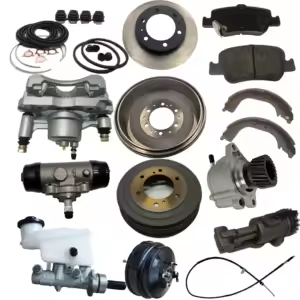
In the fast-paced world of industrial vehicles, ensuring the reliability and safety of brake systems is paramount for fleet managers and maintenance professionals. High-quality brakes are essential to maintaining operational efficiency and minimizing downtime, making them a crucial investment for any industrial fleet. With a myriad of options available, finding brake parts that combine durability with performance can be a challenge. This post highlights top-quality industrial vehicle brakes that are in stock and ready to ship, offering peace of mind with their superior brake safety features. Explore how our range of products can support your brake maintenance needs and keep your fleet running smoothly.## Essential Brake Systems Overview
Understanding the fundamentals of brake systems is crucial for fleet managers and maintenance professionals. This section covers the importance of brake safety and the various types of brake systems available for industrial vehicles.
Importance of Brake Safety
Brake safety is a critical aspect of industrial vehicle operation. It directly impacts the well-being of drivers, pedestrians, and the integrity of valuable cargo.
Proper brake function reduces the risk of accidents, minimizes downtime, and helps maintain compliance with safety regulations. For fleet managers, ensuring brake safety translates to improved operational efficiency and reduced liability.
Regular brake inspections and maintenance are key components of a comprehensive safety program. They help identify potential issues before they escalate into major problems, saving time and resources in the long run.
Types of Brake Systems Available
Industrial vehicles employ various brake systems, each designed for specific applications and performance requirements.
Air brake systems are common in heavy-duty trucks and buses. They use compressed air to apply force to the brake shoes, offering reliable stopping power for large vehicles.
Hydraulic brake systems are found in lighter commercial vehicles. They use fluid pressure to transmit force from the brake pedal to the wheel brakes, providing responsive braking performance.
Electric brake systems are gaining popularity in modern industrial vehicles. They offer precise control and integration with other vehicle systems, enhancing overall safety and efficiency.
Choosing High-Quality Brakes
Selecting the right brake components is essential for maintaining the safety and efficiency of your industrial vehicle fleet. This section explores key features to consider when choosing brakes and highlights trusted suppliers in the industry.
Key Features to Consider
When selecting brake systems for industrial vehicles, several critical features should be evaluated to ensure optimal performance and safety.
Durability is paramount. Look for brake components made from high-quality materials that can withstand the rigors of industrial use, including exposure to extreme temperatures and harsh environmental conditions.
Stopping power is another crucial factor. The brake system should provide consistent and reliable performance, even under heavy loads or in challenging terrain.
Compatibility with your specific vehicle models is essential. Ensure that the brake components you choose are designed to work seamlessly with your existing systems and meet all relevant industry standards.
Trusted Brake Parts Suppliers
Choosing a reputable supplier is as important as selecting the right brake components. Quality suppliers offer several advantages for fleet managers and maintenance professionals.
Established brake parts suppliers typically provide comprehensive product warranties, giving you peace of mind and protection for your investment. They also offer technical support and guidance to help you make informed decisions.
Look for suppliers with a track record of reliability and customer satisfaction. Industry certifications and partnerships with major vehicle manufacturers can be good indicators of a supplier’s credibility and expertise.
Consider suppliers who offer a wide range of brake components, allowing you to source multiple parts from a single vendor. This can streamline your procurement process and ensure compatibility across your fleet.
Brake Maintenance and Readiness
Regular maintenance is key to ensuring the longevity and reliability of your industrial vehicle brake systems. This section provides practical tips for routine brake maintenance and outlines steps to ensure brake safety in industrial settings.
Routine Brake Maintenance Tips
Implementing a consistent brake maintenance routine is crucial for preventing unexpected breakdowns and ensuring optimal performance of industrial vehicles.
- Conduct regular visual inspections of brake components, looking for signs of wear, damage, or leaks.
- Check and adjust brake fluid levels according to manufacturer specifications. Replace brake fluid at recommended intervals to maintain system integrity.
- Test brake performance regularly, paying attention to any unusual sounds, vibrations, or changes in pedal feel.
Monitor brake pad thickness and replace pads before they wear down to critical levels. This proactive approach can prevent damage to other brake components and ensure consistent stopping power.
Ensuring Brake Safety for Industrial Vehicles
Maintaining brake safety in industrial vehicles requires a comprehensive approach that goes beyond routine maintenance.
Implement a systematic brake inspection program that includes both pre-trip checks and more thorough periodic evaluations. Train drivers to report any unusual brake behavior promptly.
Keep detailed maintenance records for each vehicle, tracking brake component replacements and repairs. This data can help identify patterns and predict when maintenance will be needed.
Invest in brake testing equipment to accurately measure brake performance and identify potential issues before they become safety hazards. Regular brake testing can also help ensure compliance with safety regulations.